Art is considered a manifestation of thoughts and ideas, incorporating concepts and precepts into human perception through the use of different physical, auditory and linguistic resources. Music, painting, dance and cinema are notable examples of this, while some also consider sport to be an art form, citing gymnastics as an example thanks to the creativity and aesthetics it brings to physical acrobatics. Similarly, football and basketball are considered arts thanks to sublime plays, dribbling, ball-handling techniques and aerial pirouettes.
In the Amazon
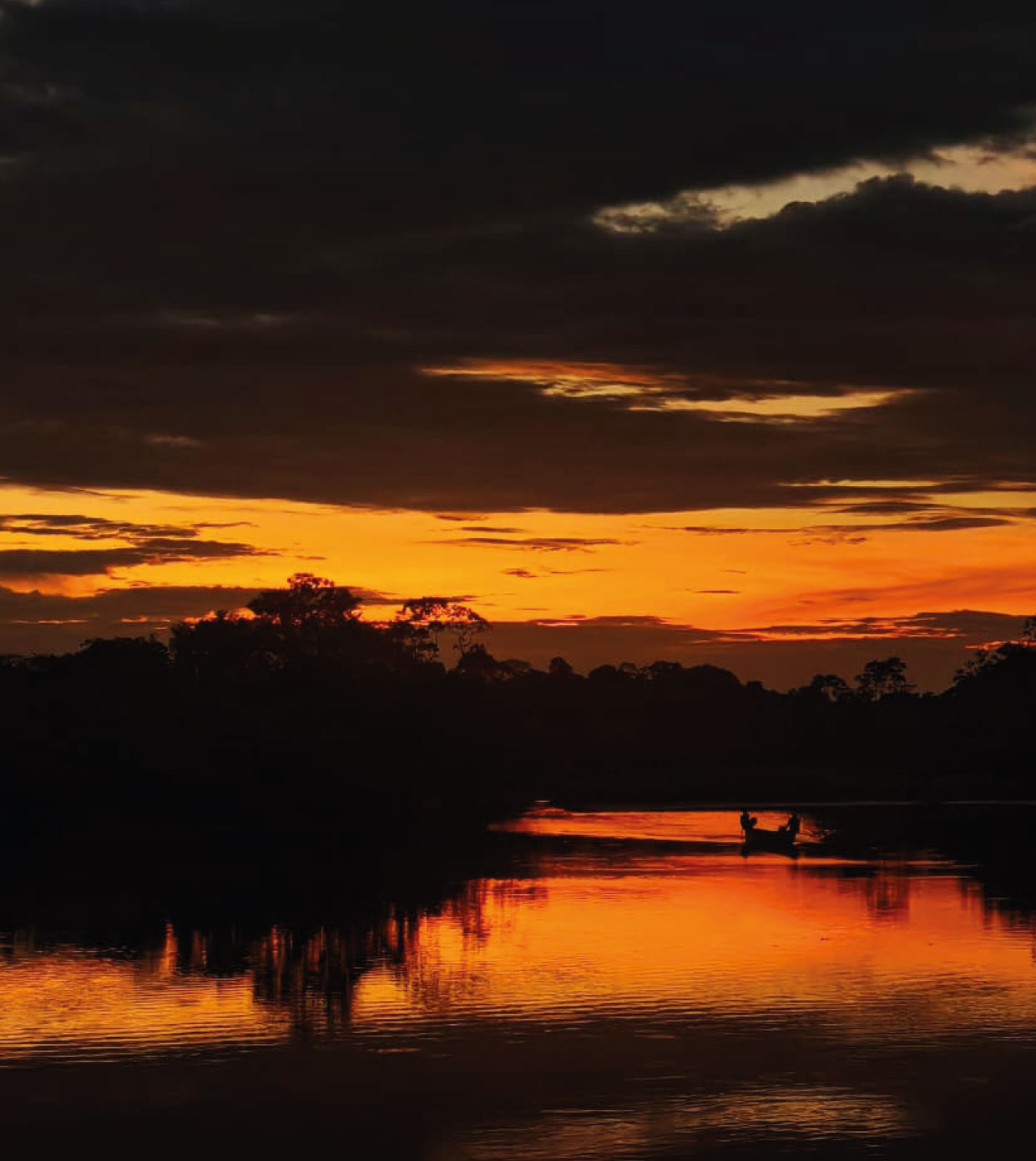
Spanning northern South America, the Amazon region comprises countries such as Peru, Colombia, Brazil and Ecuador. Thanks to their cultural diversity, these countries exhibit a variety of artistic expressions, rooted in spiritual, anthropological, genetic and historical richness. This connection is aligned with the Earth, nature, biodiversity, worldview and myths, and is tangibly expressed through the use of natural materials provided by Mother Earth.
Ecuadorian Amazonian art
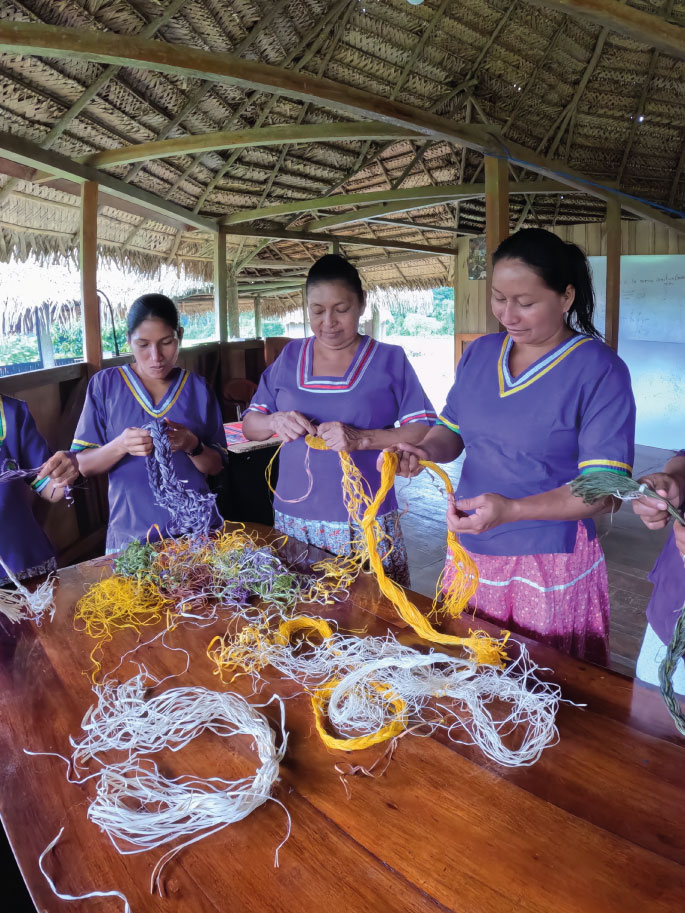
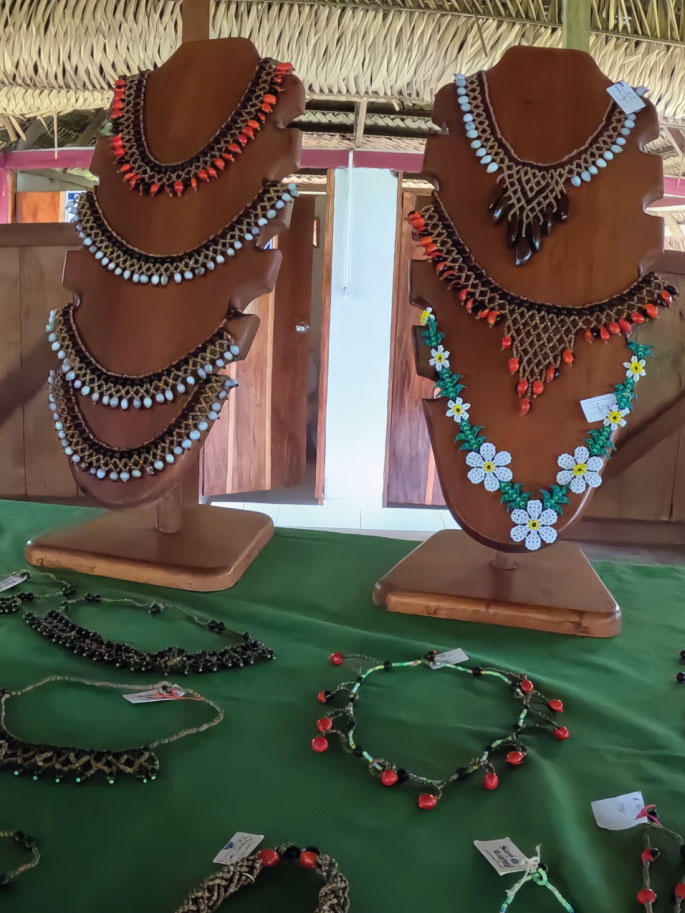
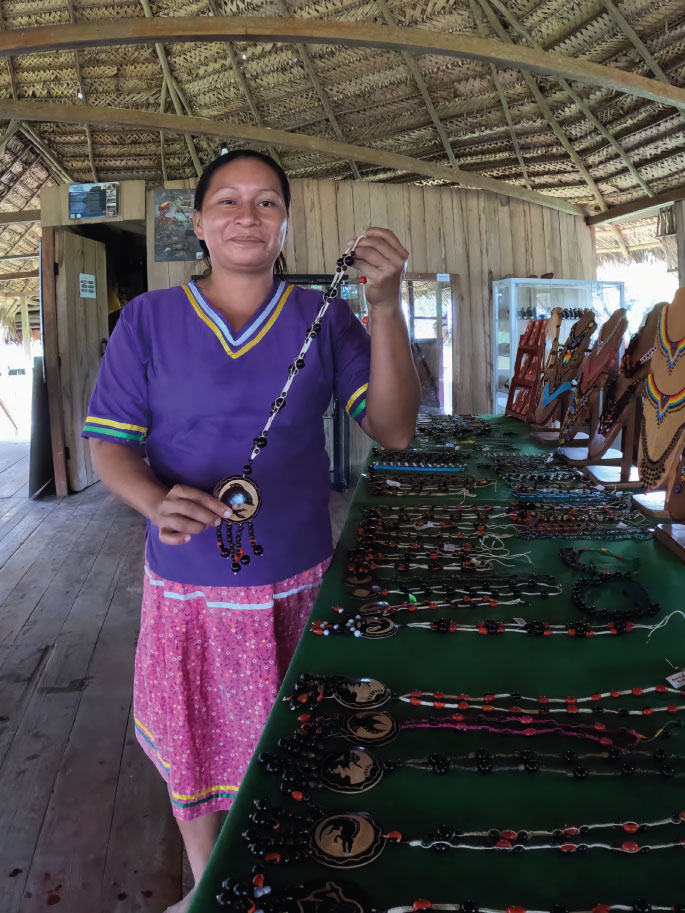
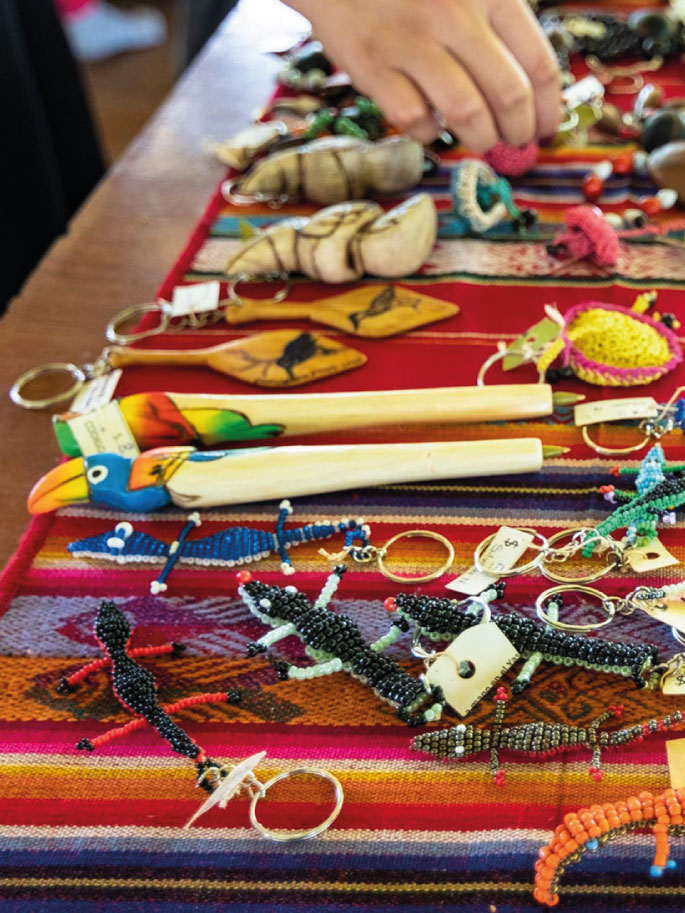
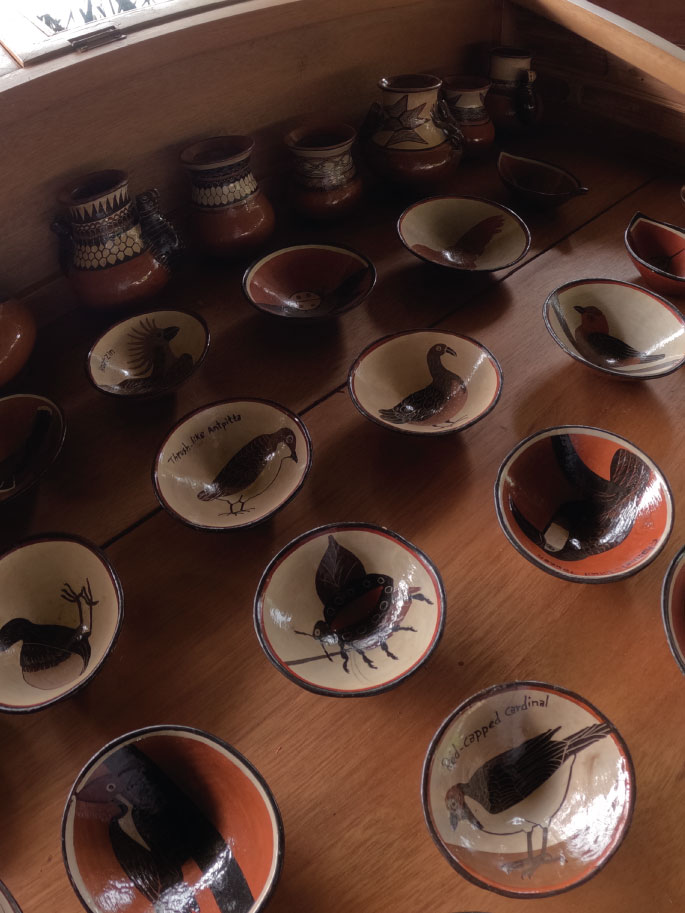
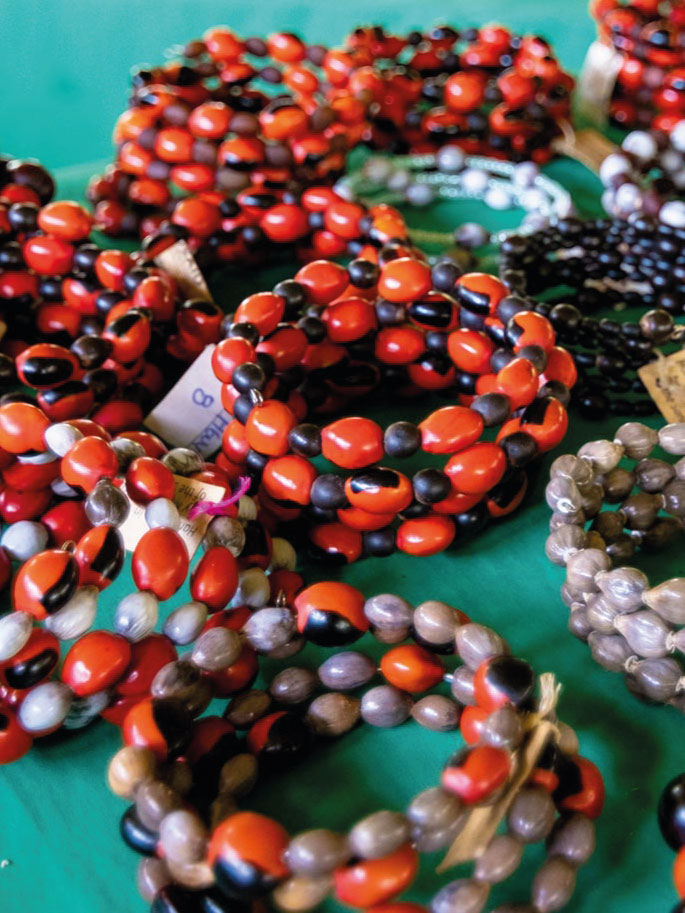
In Ecuadorian Amazonian communities, art is expressed through body and face painting, textiles, and ceramics. In the Shuar and Kichwa cultures, songs reveal a worldview that enables connection with the spiritual world. Art is also present in daily life through the creation of household items, such as mocawas sculpted from grey clay and pilches made from gourds. Essential to rituals and ceremonies whose purpose is to protect the well-being of the community are clothing, masks, necklaces, bracelets and crowns made from parrot and macaw feathers.
Art in the Forest
The inhabitants of forests form structures that can be considered true works of communal art. Social structures are organised for the purpose of joint work, with the aim of determining the common good.
Paper wasp nest
Paper wasps construct nests by mixing wood fibres with saliva to produce a paper-like material. They then attach this material to form a beautiful bell-shaped structure that serves as a home for the larvae.
Tent-making bats
Bats use Heliconia or palm leaves to build shelters that protect them from predators, sun and rain. In order to achieve this, they bite the central veins of the leaf, thereby creating an artistic structure that resembles an inverted V-shape tent.
Contemporary Amazonian art
Contemporary Amazonian painting combines cultural elements, environmental conservation and the worldview of communities. Ramón Piyaguaje of the Sekopai nationality is a prime example of this, with his realistic paintings serving as a tribute to the beauty of the Amazon rainforest. Kené art, which is distributed widely throughout the Amazon region, involves the use of geometric elements in textiles, ceramics and body decoration. It highlights shamanic visions, elements of nature, the forest, constellations and the energy path.
The symphony of birdsong, with its variety of tones at dawn and dusk, is a prime example of natural creation at its best. The Amazon represents the crux of creativity, encompassing a rich array of forms, colours and lives. It serves as a wellspring of inspiration, a nexus where the energy of the universe is palpable in every corner. The Amazon is shrouded in mystery, intrigue and fascination.