A recent topic of global discussion is the role of Amazonian indigenous peoples in the conservation of the biome. It is important to note that several aspects are being emphasized, including ancestral knowledge, governance, territorial protection, education, culture, biodiversity, and participation in environmental decision-making.
Ancestral Knowledge
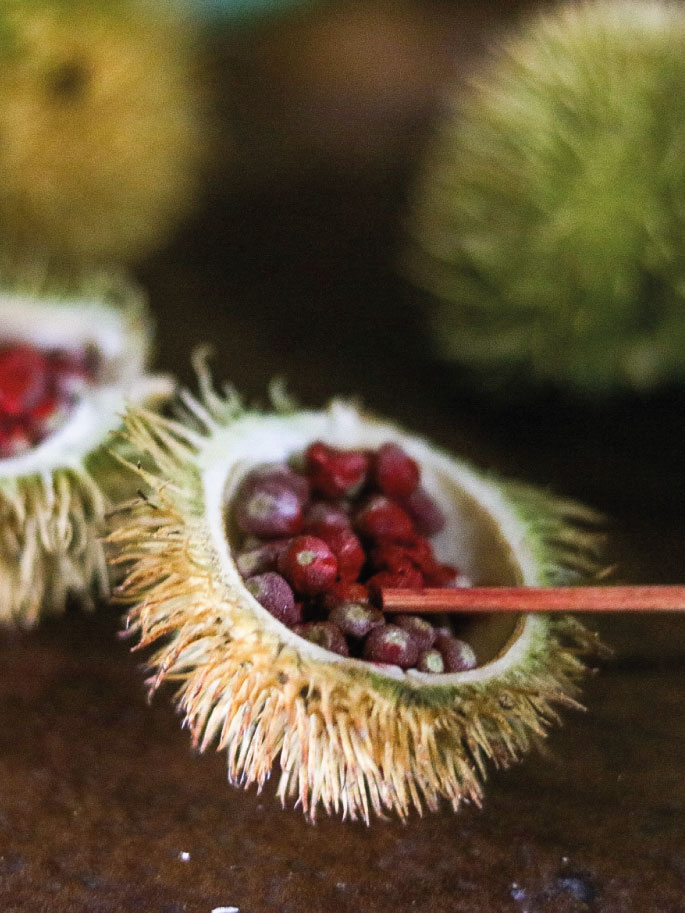
Oral tradition has played a key role in the transmission of values, knowledge, and beliefs across generations. Ethnobotany is the comprehensive cataloging of knowledge on how to prepare medicines based on an understanding of which parts of a plant are useful, whether to make infusions or ointments, while others are used to connect with vital energy, as in the case of ayahuasca, the soul vine.
Indigenous Governance
In contrast to the Western world, where governance is based on individualism, indigenous communities have historically incorporated their people’s interests into their decision-making processes, their administration of justice, and their organization under a democratic system. It is important to note that the natural environment is a central element in all aspects of this governance.
Protection of Territories
The Amazon covers an area of 7 million square kilometers, of which 6 million are Amazon Rainforest. The region encompasses nine countries: Bolivia, Brazil, Colombia, Ecuador, French Guiana, Guyana, Peru, Suriname and Venezuela. Of this total area, approximately 2.4 million square kilometers are currently under sustainable management by indigenous communities. Protection of the forest is partly dependent on the implementation of a sustainable farming system known as the “chakra”, which prioritizes biodiversity over monoculture. This system involves the cultivation of cassava, corn, plantains and medicinal plants in the same area, thereby replicating the forest’s natural functioning.
Education and Culture
The survival of cultures depends crucially on education systems that prioritize organization, planning, and development in a sustainable manner, in accordance with the environment and the intrinsic needs of each community. Education in one’s own language and the preservation of culture are fundamental to governance, enabling the transmission of these values to future generations. Education in the Amazon also involves knowledge of the rainforest, land management, and living in harmony with the entire community.
Participation in Environmental Decisions and Conservation
It is vital for the ecological balance of the entire world that forests be managed using indigenous agricultural and forestry practices. Furthermore, the involvement of Amazonian indigenous peoples in environmental decision-making is a fundamental right, and organizations, drawing on their expertise, must make the right decisions to ensure that no ambitious and greedy extractive project has an impact on these communities.