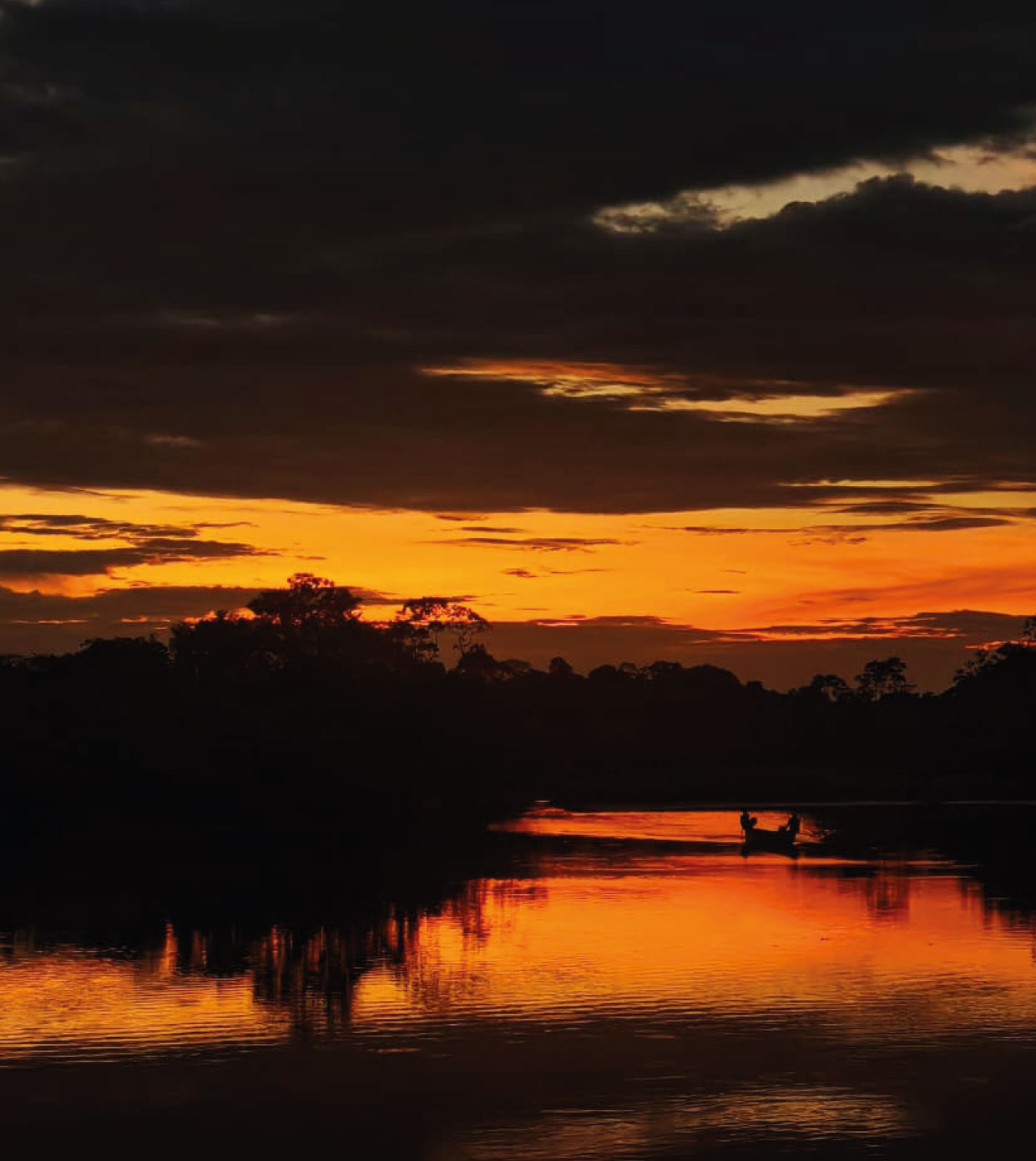
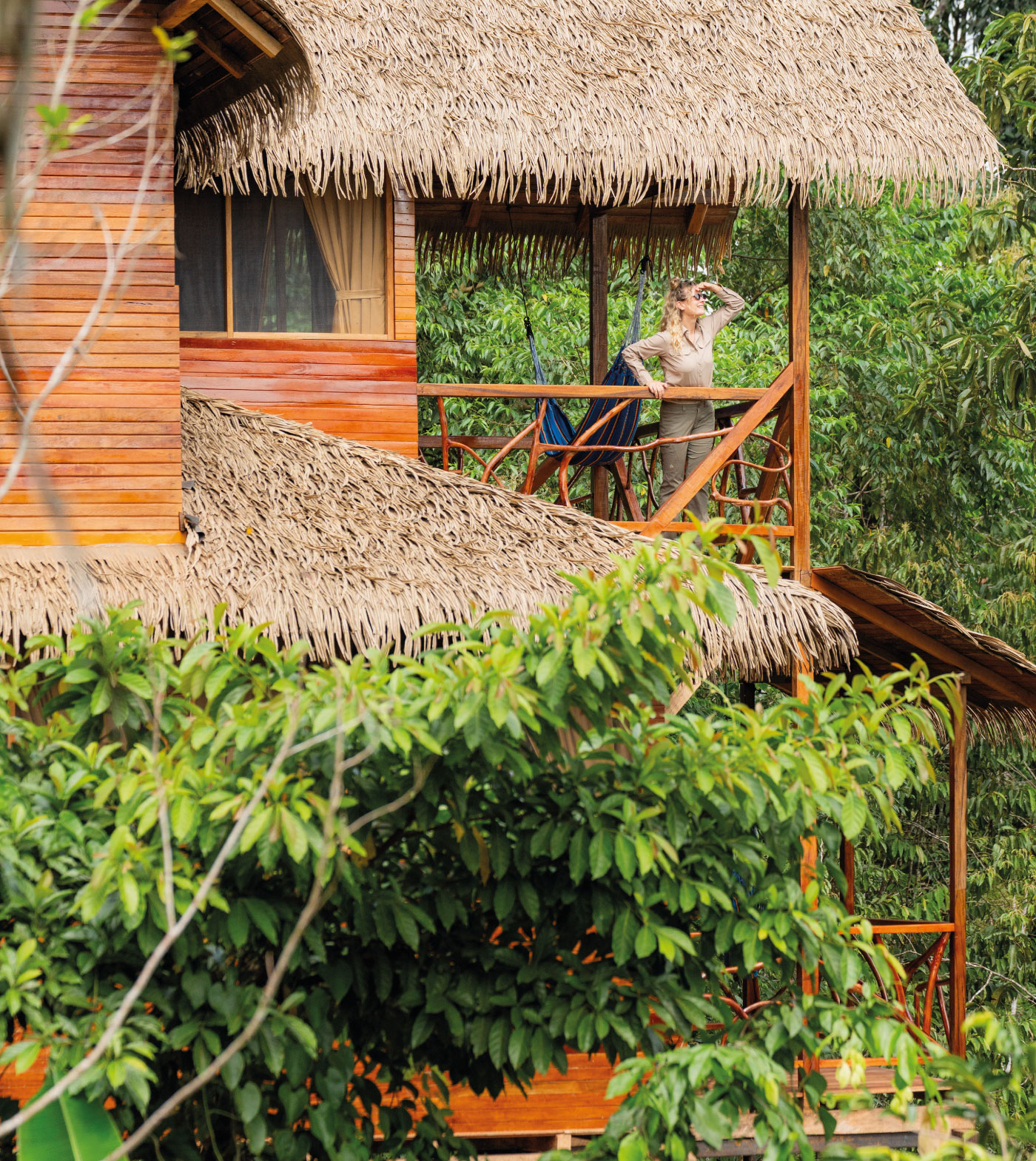
The Amazon region is presented as an idyllic setting, characterized by its tranquillity and natural beauty, in stark contrast to the climate of tension and armed conflict affecting other areas.
In a global landscape characterized by constant conflict, borders, and tensions, there is a place that seems to belong to another reality. The Amazon, in all its grandeur, flourishes across the globe, defying the turbulence of war that engulfs the rest of the world. This natural sanctuary, where the passage of time seems to be altered and harmony remains attainable, offers a distinctive experience for visitors.
In the midst of the Amazon jungle, there is an immediate and palpable sense of silence. This phenomenon does not manifest itself as an empty silence, but rather as an absence of silence, accompanied by a variety of natural sounds, such as birdsongs, the murmur of rivers and the rustling of the wind through the trees. In this environment, nature’s own language is evident, unmarred by human conflict and strife. The environment is a balanced ecosystem, which serves as a reminder that coexistence is possible without domination or destruction.
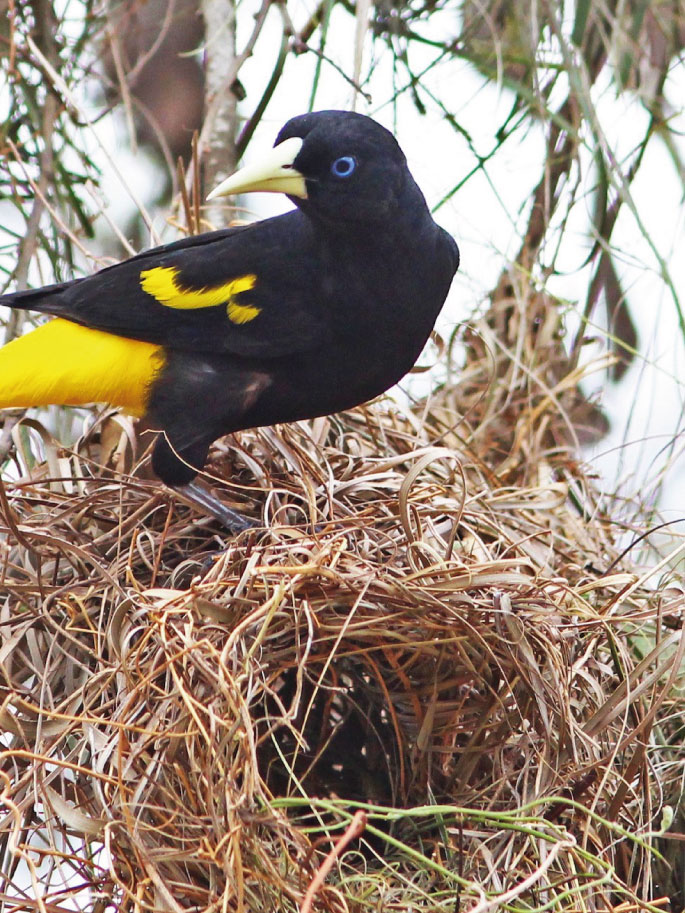
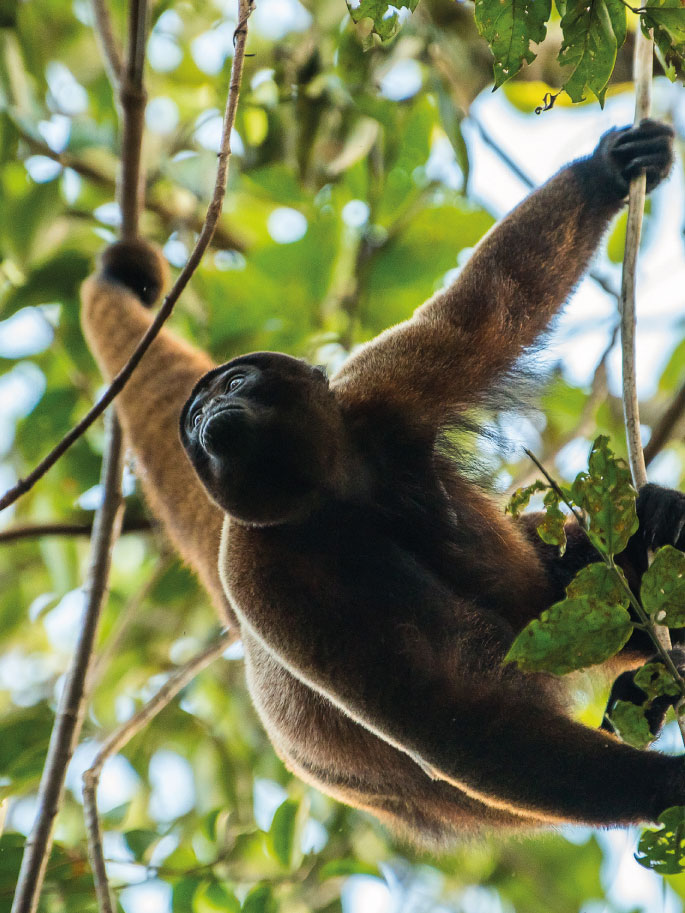
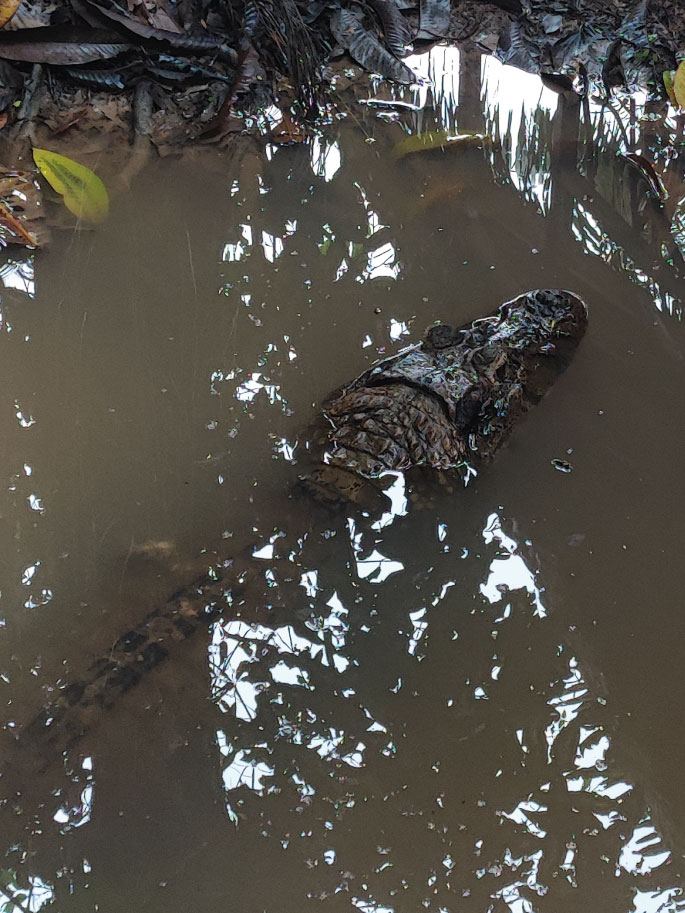
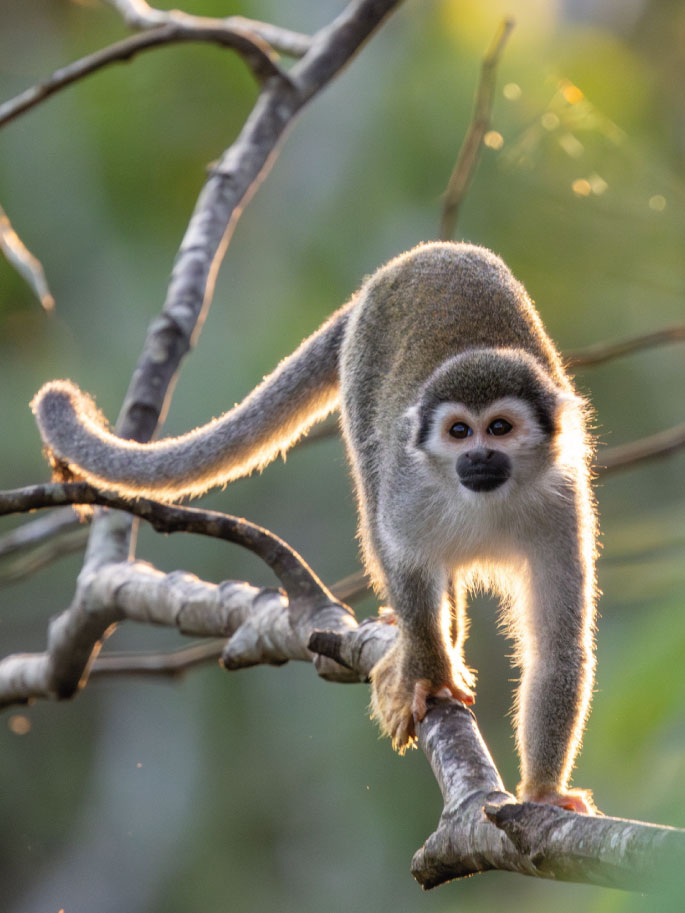
Spanning seven countries in South America, primarily Ecuador, Brazil, Peru, Colombia and Bolivia, this natural environment is home to exceptional biological diversity, including species that have not yet been properly documented by science. Various studies have shown that the coexistence of medicinal plants, exotic animals and complex ecosystems has developed within a fragile balance that has endured over the centuries.
In the Amazon region, biodiversity is an invaluable resource, and the cultures that inhabit the region are equally important. Indigenous peoples have lived on these lands for generations, developing ways of life based on respect for, and coexistence with, nature. The ancestral knowledge passed down through the generations by indigenous communities stands in stark contrast to the logic of exploitation that prevails in many regions of the world. For communities living in the jungle, this environment is not perceived as a resource, but as their habitat, their identity, and their livelihood.
However, despite being spared any military conflict, the area is not entirely risk-free. Contemporary threats such as deforestation, illegal mining, intensive livestock farming and oil extraction constitute a form of conflict that leaves behind devastating consequences, even though they do not involve the use of visible weapons. The real challenge, therefore, lies in preserving this paradise.
In a world where armed conflict seems inevitable, the Amazon region is a living testament to the possibility of peaceful coexistence. Though fragile, this paradise remains vibrant, waiting patiently for us to develop the ability to heed its call before it is too late.