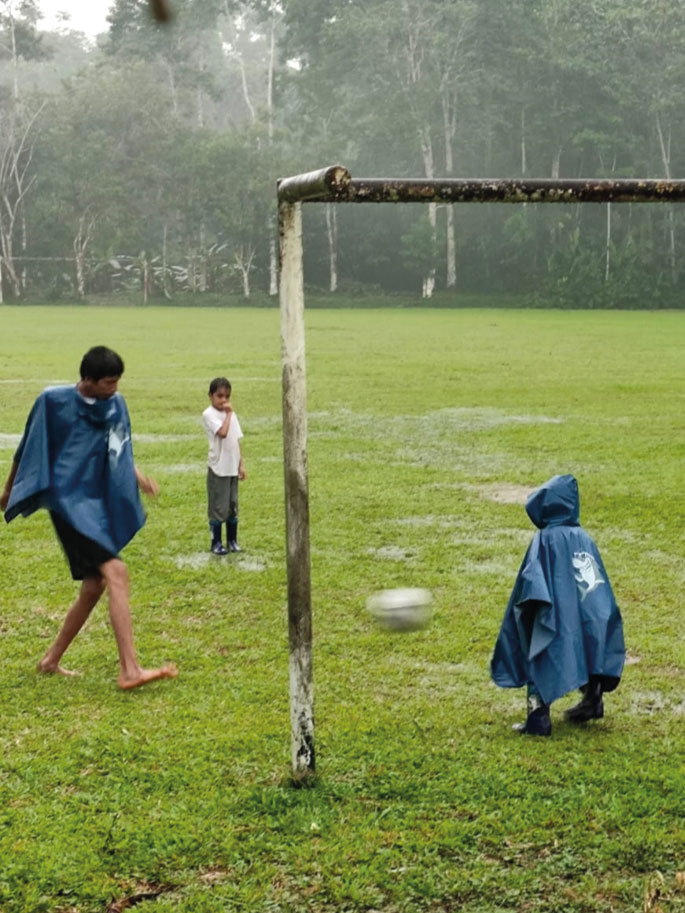
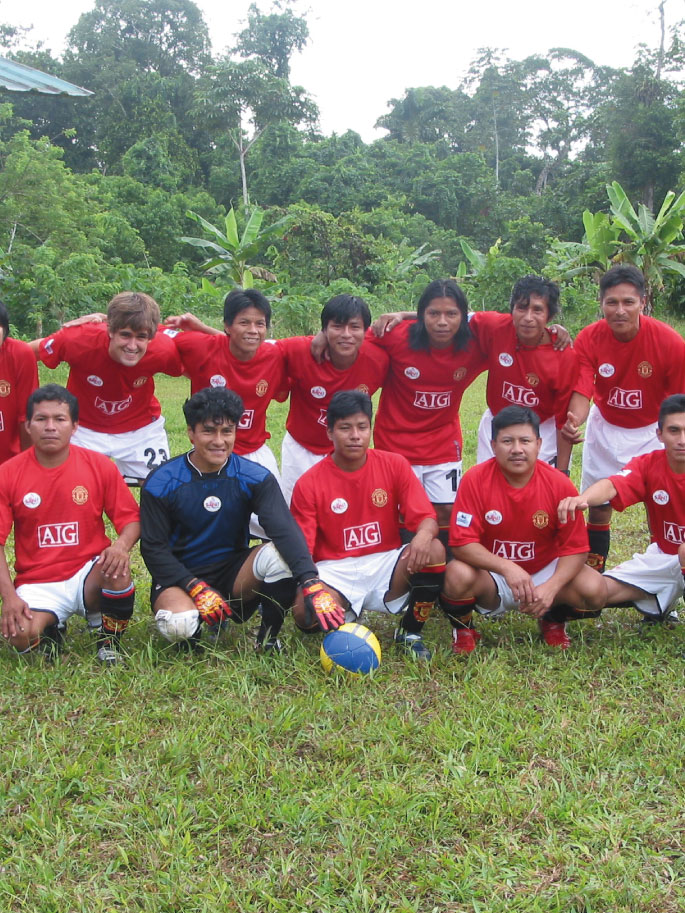
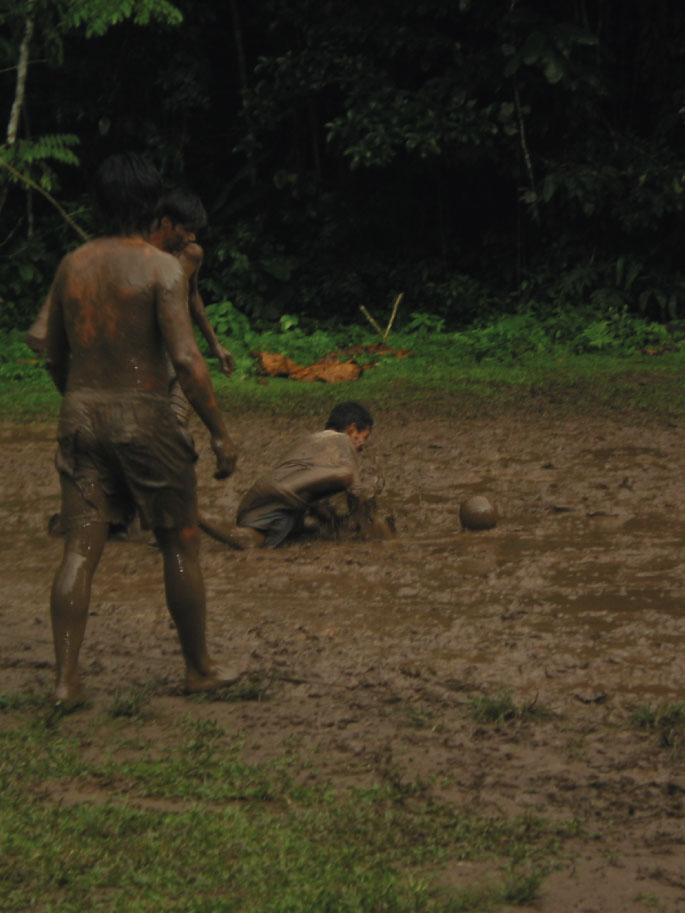
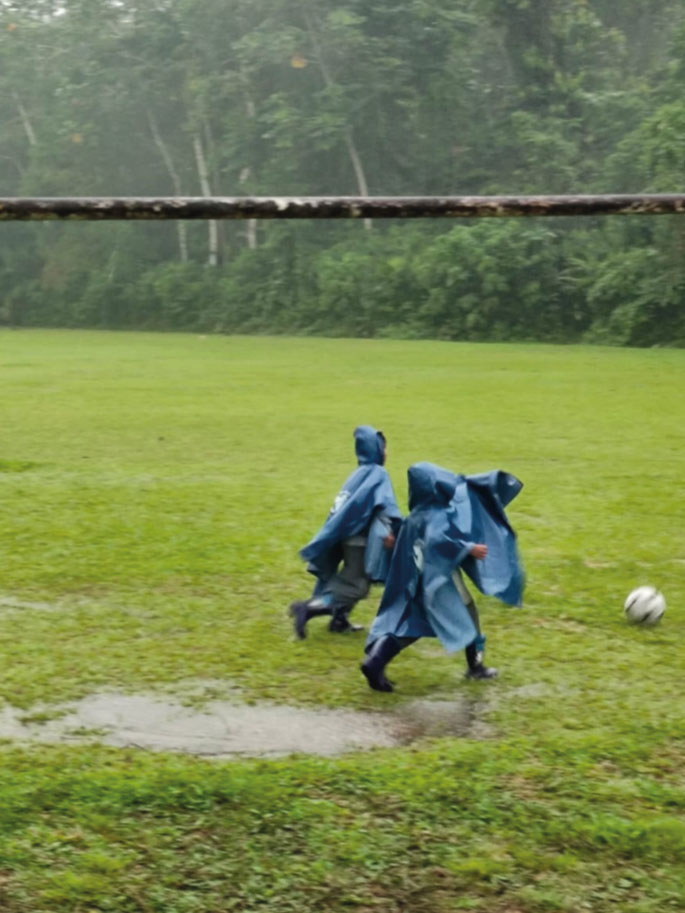
The Biggest Soccer Cup is a global event with strong international appeal, drawing millions of viewers worldwide. South America is no exception, with the tournament attracting a significant audience across the region. In countries such as Brazil, Colombia, Argentina, and Ecuador, people unite for a shared purpose: to support their national teams.
THE IMPORTANCE OF SPORT IN THE COMMUNITY
The role of sport in the community is significant for both physical and mental well-being. Despite these advantages, including stress reduction, enhanced well-being, and opportunities for family time, it has not yet been incorporated into a strategy that promotes community welfare. Conversely, those in positions of global governance have sought to cultivate a reliance on technology and social media within civilizations, resulting in a sedentary lifestyle. This has implications for individuals’ physical and emotional health.
SOCCER: A distraction and a solution
Soccer is often viewed as a distraction for the masses. However, in some countries, where soccer federations have formed strategic partnerships with environmental organizations, the game has undergone a transformation. Through the implementation of responsible practices in stadiums, these partnerships promote the reduction and reuse of plastic waste, in line with the national strategy.
Conservation initiatives
It is estimated that there are approximately 5 billion soccer fans worldwide. Given the significant following established, it is imperative to raise awareness to inspire positive environmental impacts and drive change in communities. This is why some initiatives are working to restore the rainforest. In Colombia, the Fútbol por los Bosques (F4F) campaign is underway and is based on a dedicated application, through which supporters can submit predictions for their team’s matches. With each goal scored, fans can donate and compete with supporters of other clubs to contribute to the campaign.
Tropical Forests
Tropical forests cover between 6% and 7% of the Earth’s land surface, approximately 1.2 billion hectares. They play a vital role in maintaining the planet’s climate balance by absorbing carbon and releasing oxygen. These ecosystems are located in the intertropical zone, the region between the Tropic of Cancer and the Tropic of Capricorn. They are the most diverse and abundant ecosystems on our planet.
The Amazon plays a significant role, with approximately 700 million hectares of Amazon Rainforest, of which Brazil accounts for about 60% of the total area.
Other initiatives
Some teams incorporate tropical wildlife into soccer culture by using jaguars, pumas, lions, and zebras as their club symbols. Belize is committed to conserving marine environments, with its football teams playing a key role in promoting sustainable development initiatives in local communities.
New Era
In this New Era, it is essential to bring together diverse groups of people to protect our planet, transcending differences of belief, ideology, or sporting allegiance. We are all Homo sapiens, born in different parts of the world with different skin colors.