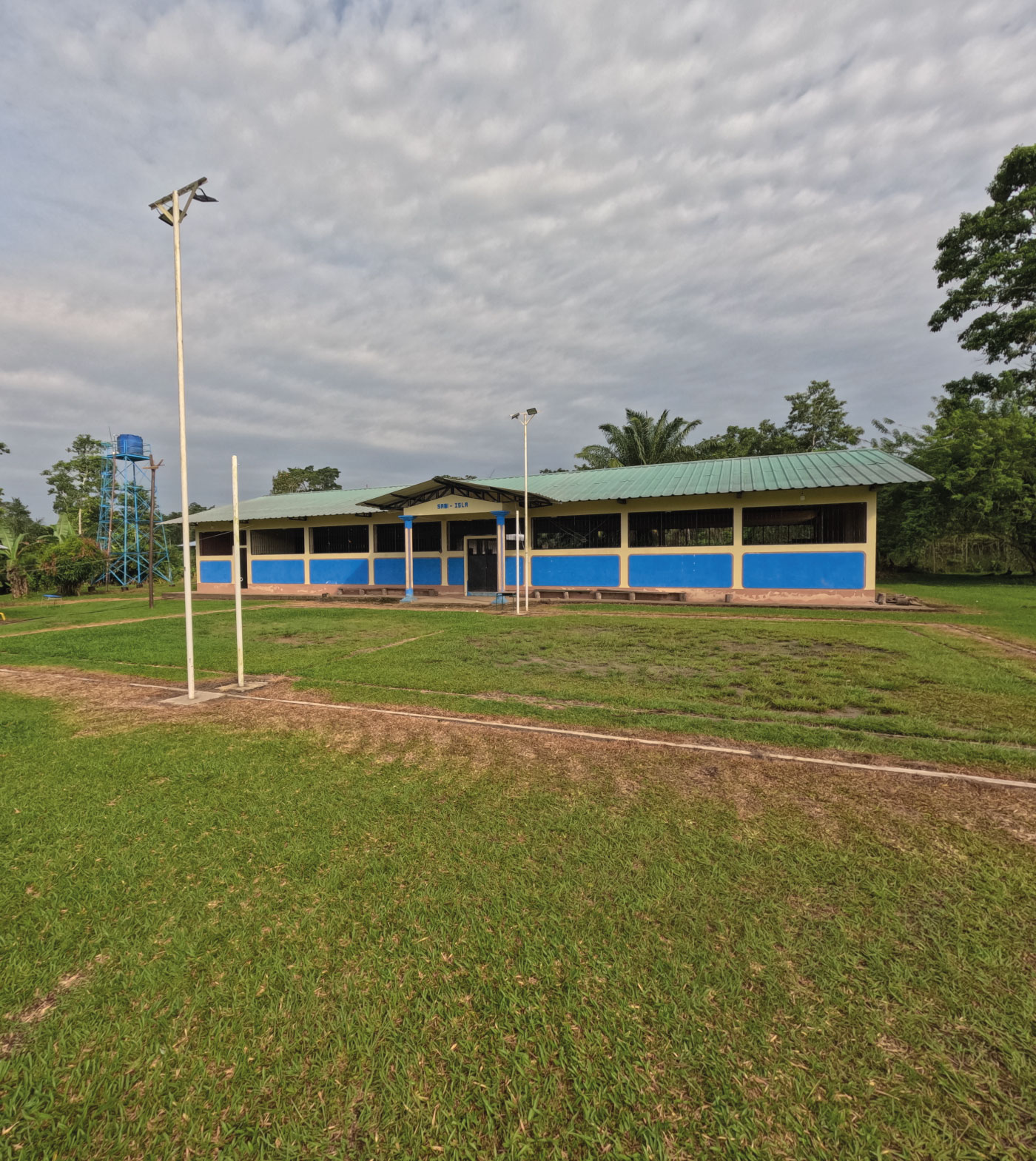
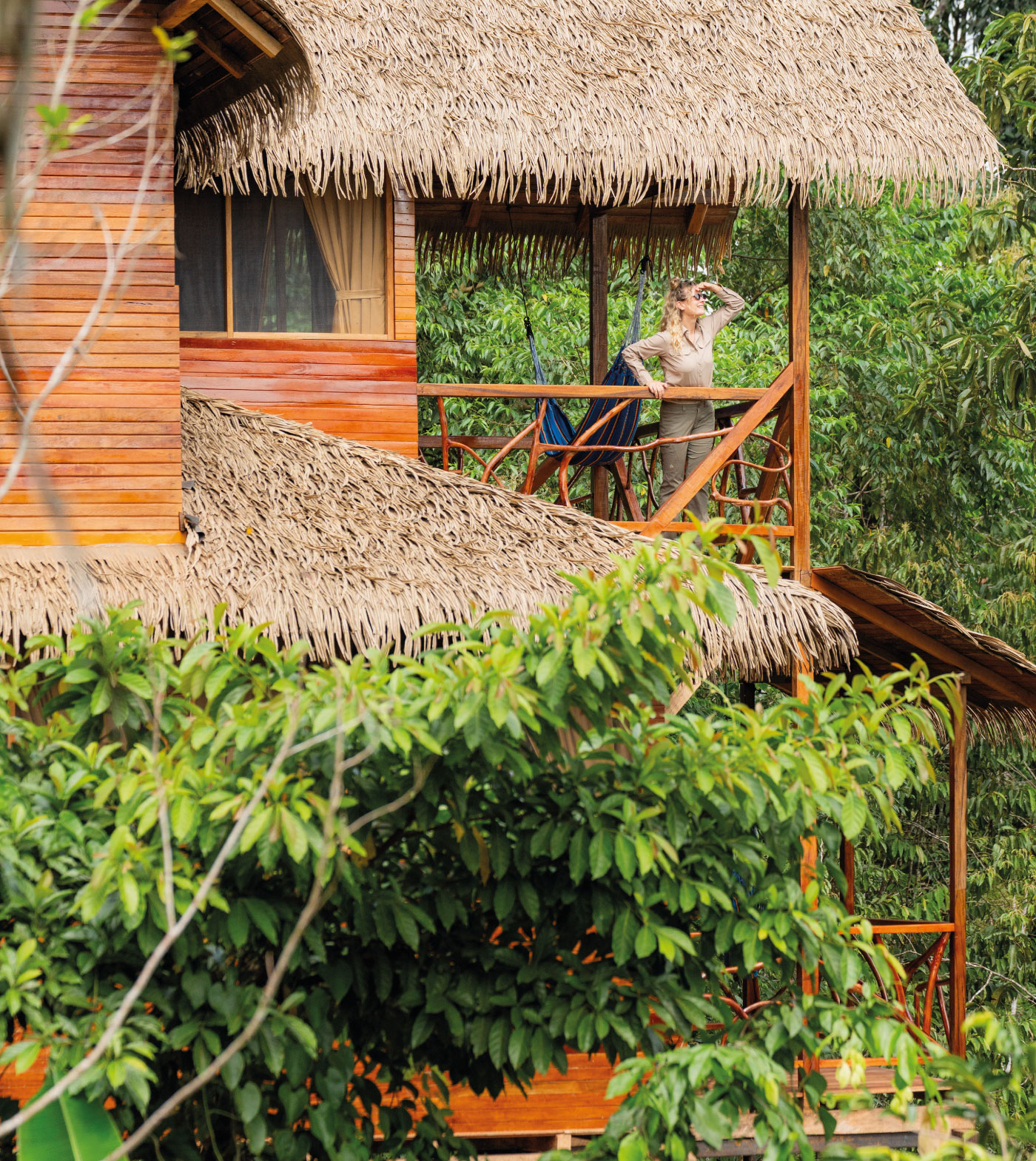
Following careful consideration, Sani Isla’s management has decided to strengthen the 10,000-hectare conservation area in Sucumbíos by stationing three park rangers on a rotating monthly schedule. The primary responsibilities of these rangers will include the protection of the Pañacocha Reserve against illegal hunting and the prevention of unsustainable fishing practices along the Pañayacu River.
This protected area borders the Pañacocha Protected Forest, an Amazonian ecosystem spanning 54,000 hectares that serves as a crucial biological corridor connecting two of Ecuador’s most important reserves: Cuyabeno and Yasuní.
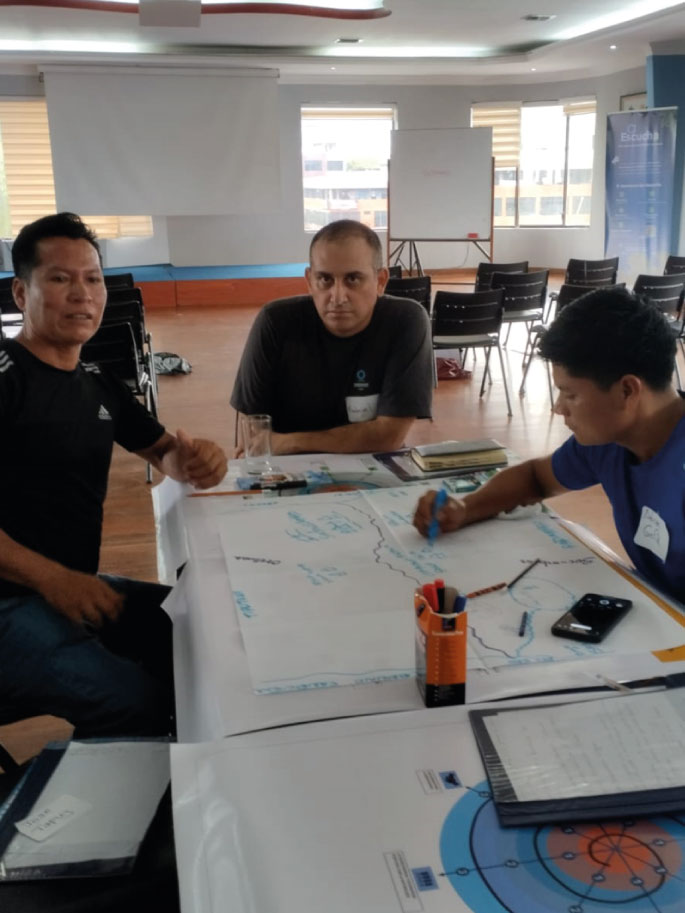
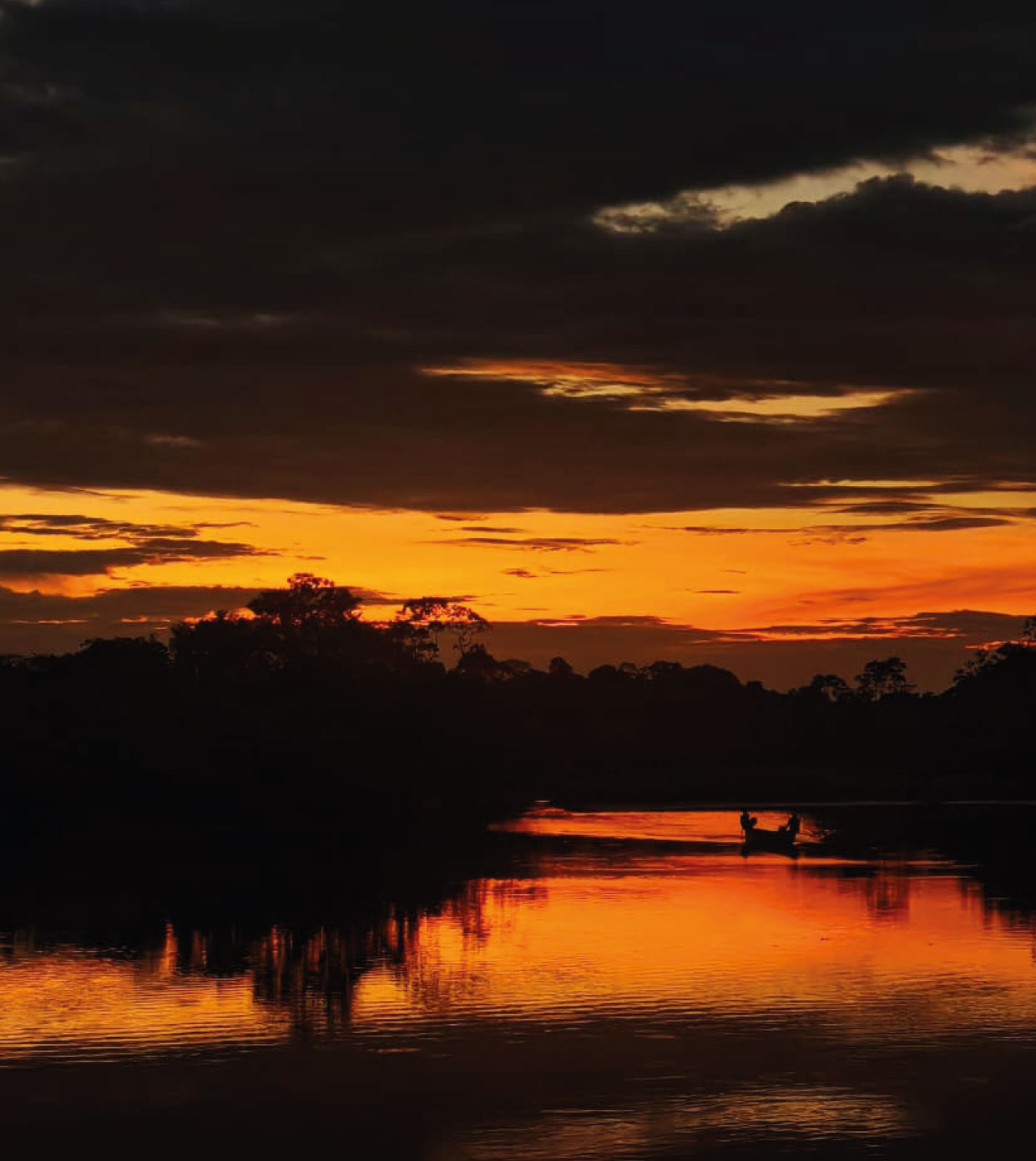
On May 27 and 28, the commune’s board of directors took a trip down the Pañayacu River to determine the location where the ranger station will be built. Funding for construction, salaries, and maintenance will be provided through the Socio Bosque Program and Conservation International Ecuador.
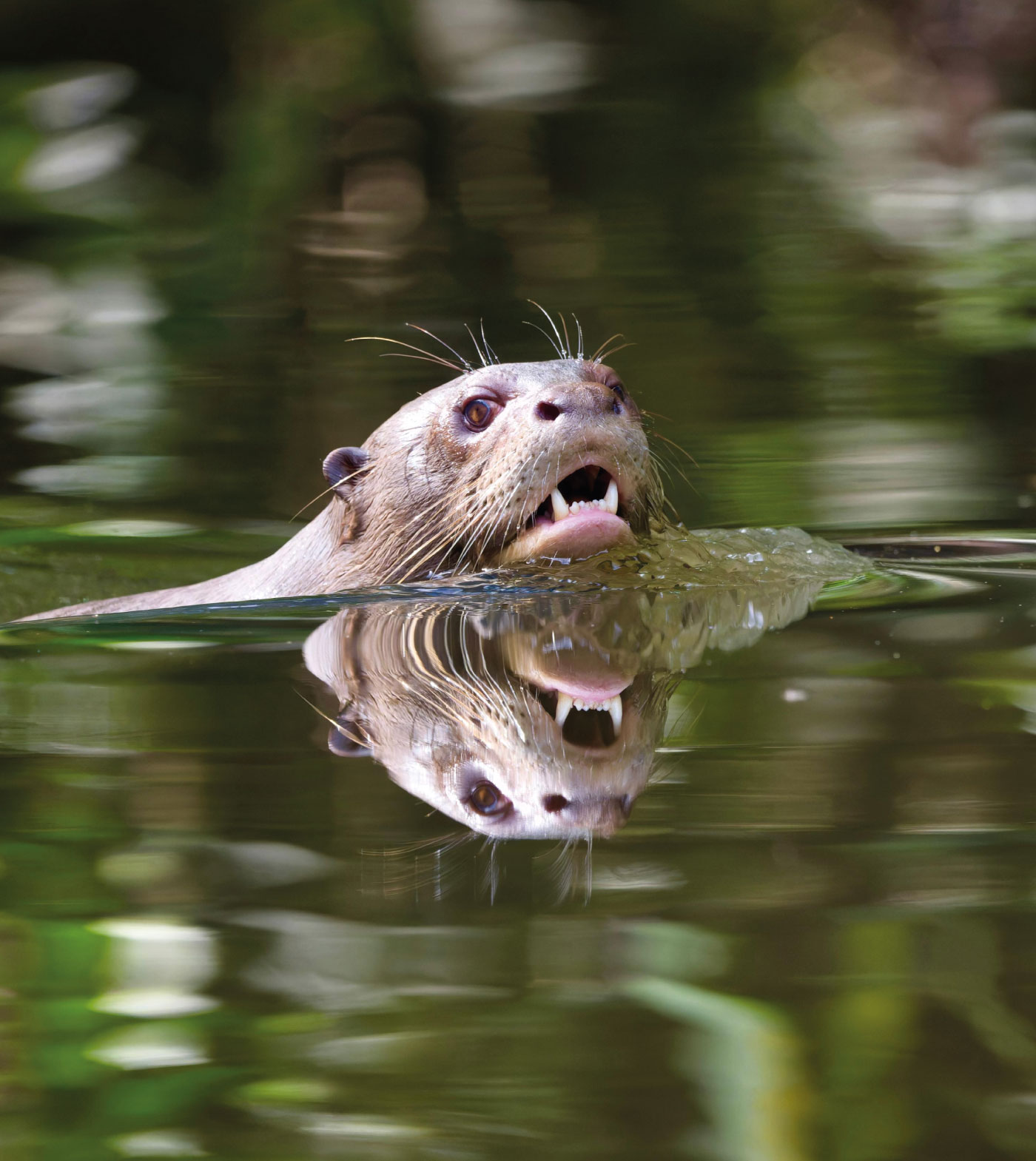
We are dedicated to the preservation of ecosystems as the most effective method of safeguarding our ancestral Amazonian territory. This commitment will also contribute to the protection of iconic species such as the jaguar, which is classified as “near threatened”, and the pink river dolphin, which is endangered of extinction.