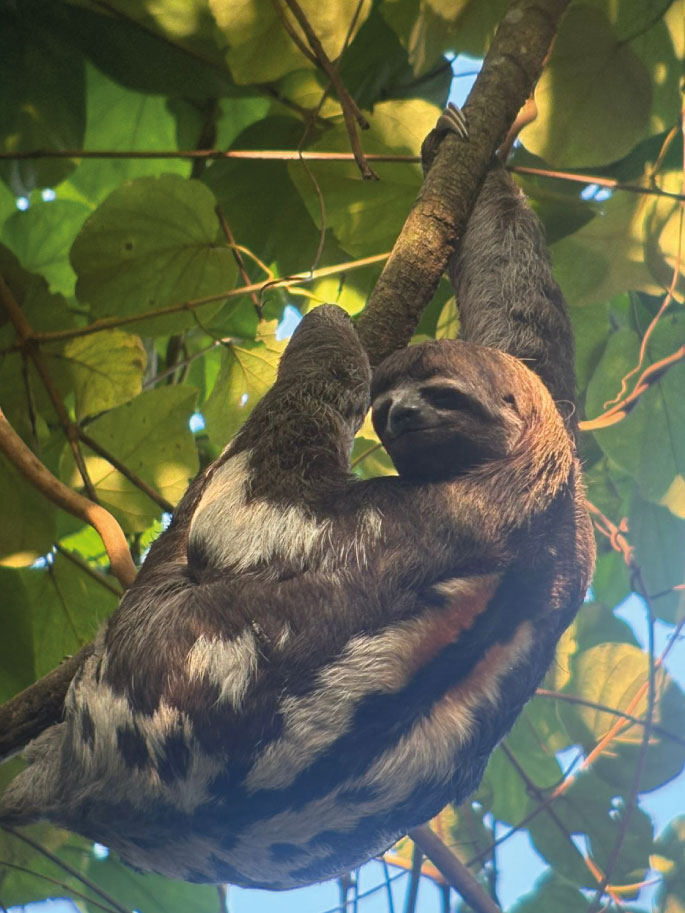
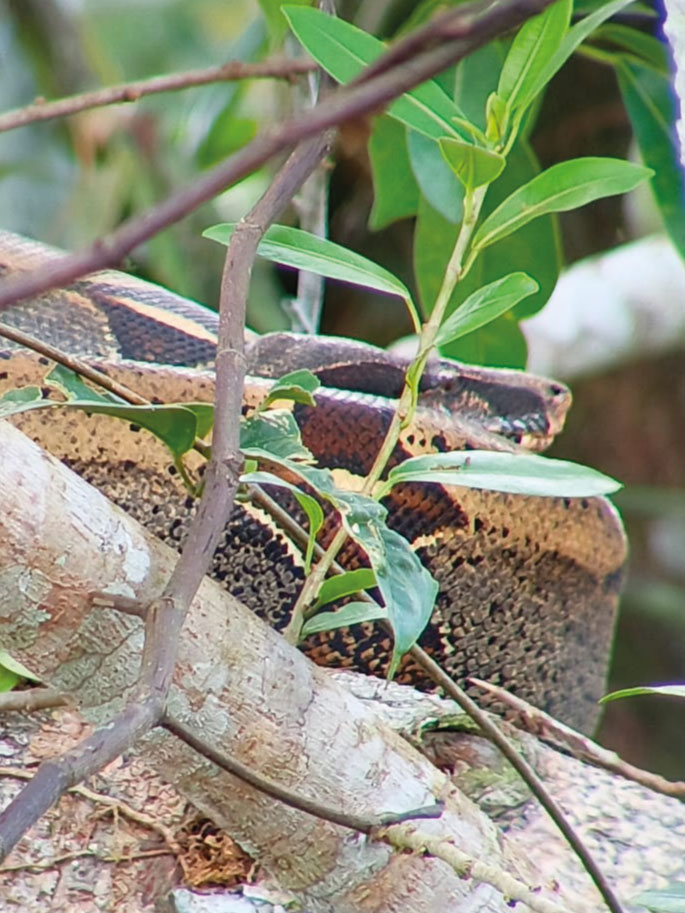
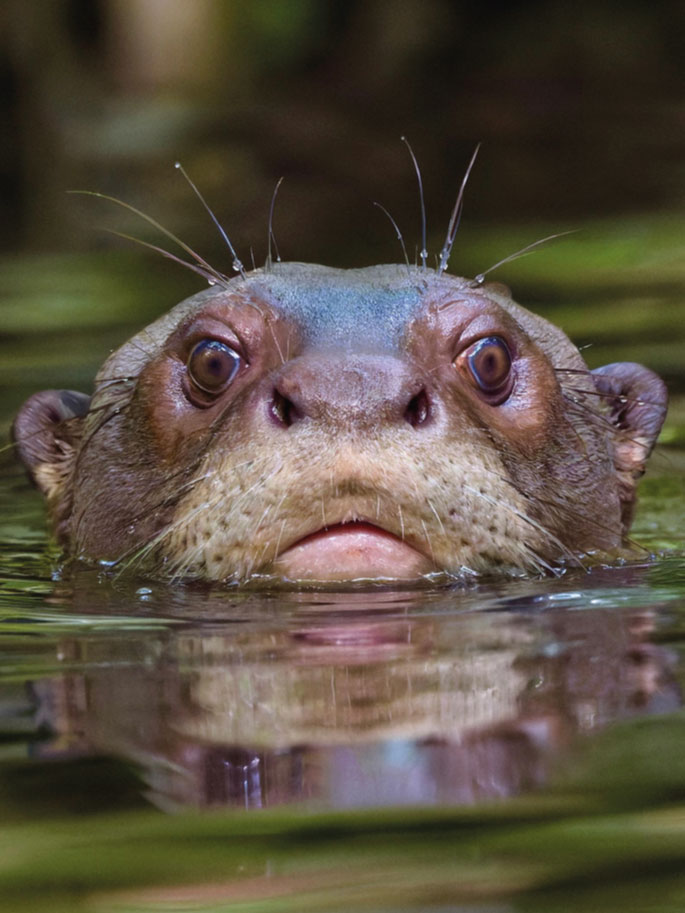
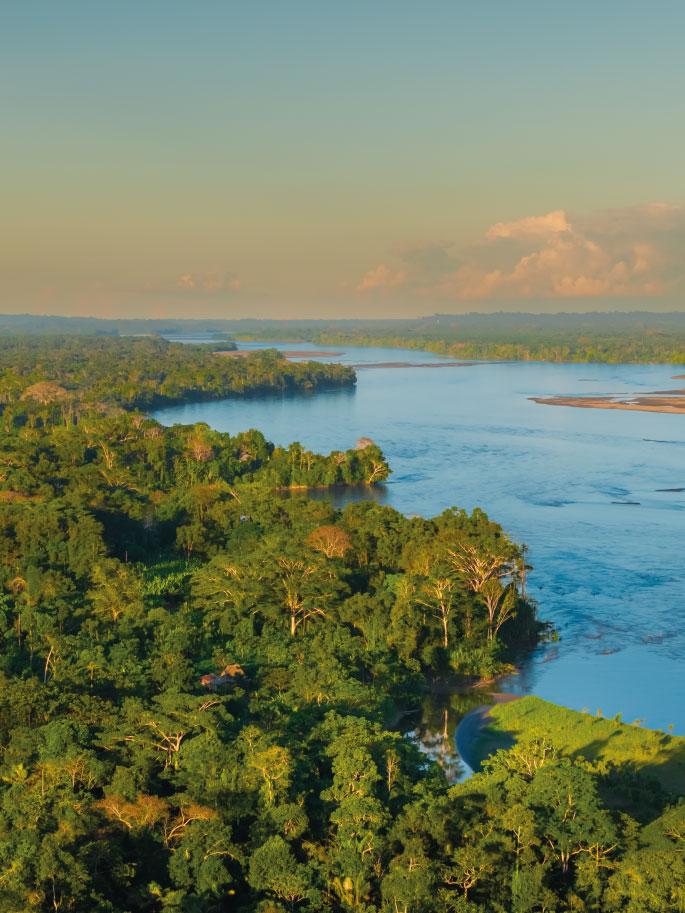
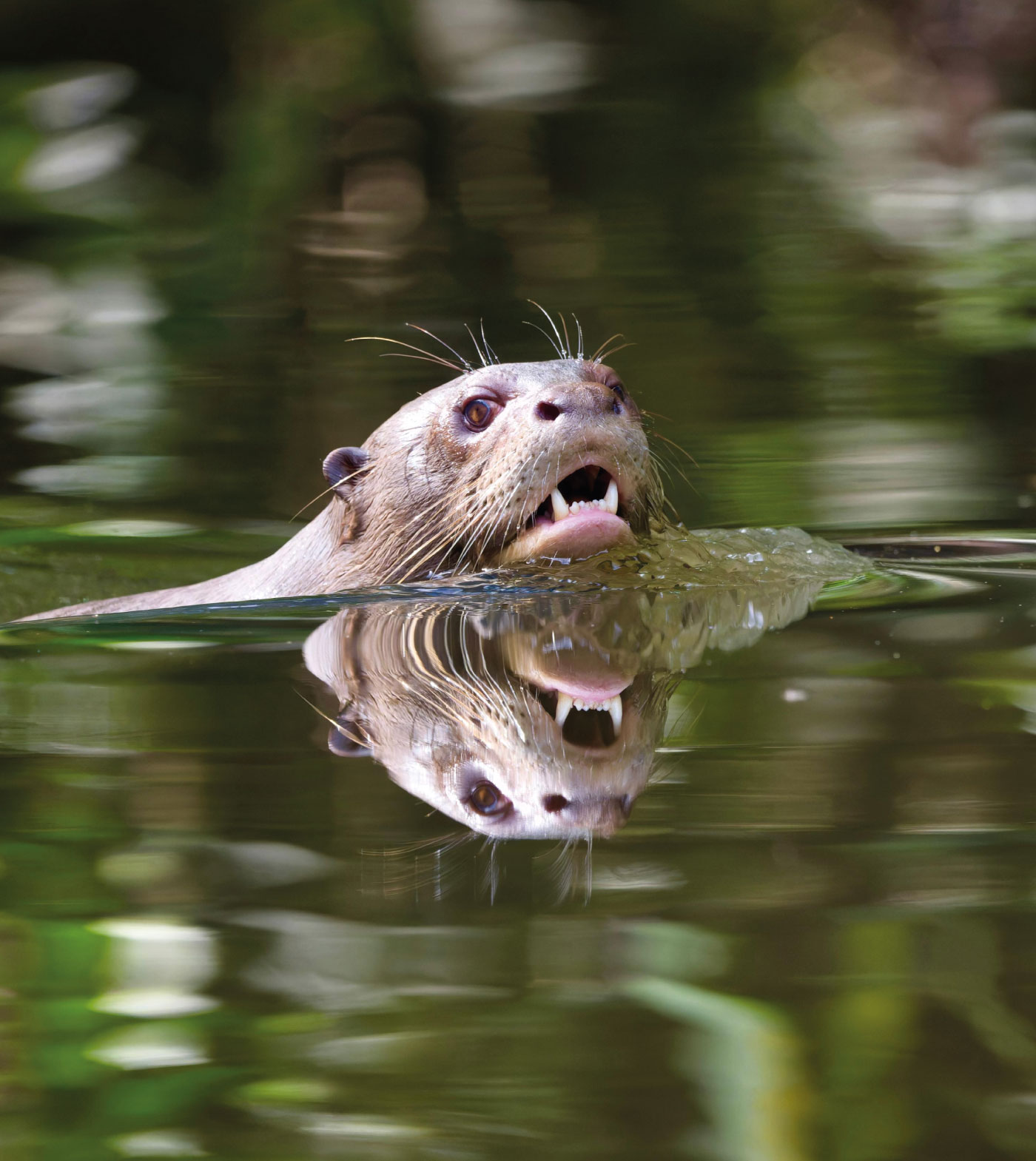
We are pleased to inform you of the numerous sightings we have had in recent months, including two- and three-toed sloths and anacondas in the vicinity of Sani Lodge. Most notably, we have observed a species facing extinction: the giant river otter.
Otters
It is estimated that between the 1950s and the 1970s, more than 20,000 otters were killed in the Amazon rainforest to supply the luxury fur market in both Europe and the United States. In Brazil, a 1970s census documented a mere 14 otters
Other mammals
It is even more shocking to note the number of animals sacrificed between 1904 and 1969. During this period, people killed 23 million mammals for their fur and hide. This included species such as jaguars, ocelots, and black caimans.
Despite these efforts, the giant otter population stands at around 5,000 individuals, which is why it remains classified as an endangered species by the IUCN.
We are pleased with the ongoing monitoring we carry out using camera traps on the trails of Sani Isla as part of the community’s efforts to provide a sanctuary and a hunting-free zone. This will ensure that these endangered or near-extinct species have the space they deserve as fellow inhabitants of this planet.