Traveling is undoubtedly one of the most rewarding experiences. According to the World Tourism Organization, the tourism industry generates around 10 percent of global GDP and provides more than 300 million jobs worldwide.
Human Activity
Everything people do has a positive or negative effect on the environment, and tourism is no different. Responsible tourism is important for protecting the environment. It helps communities develop and ensures everyone is treated fairly. It also restores, repairs, and rejuvenates visited places.
Travelling Responsibly
Responsible travel is defined by respect for the following: customs, unique characteristics, culture, sacred sites, and history of the destinations visited. It includes refraining from activities that exploit people, animals, or the environment; committing to reducing the environmental footprint; supporting the local economy; and acting with humility and empathy.
Responsible Tourism
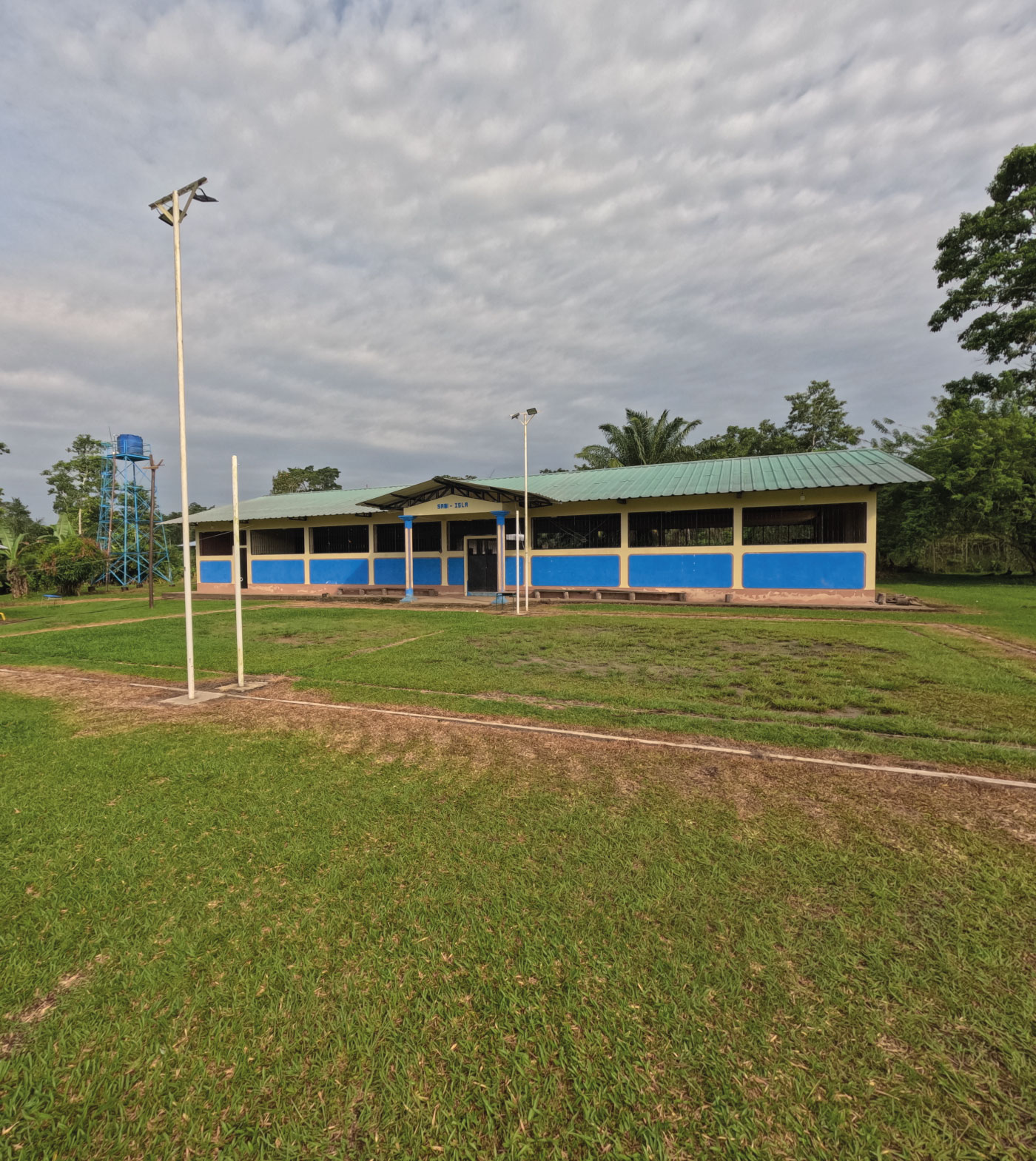
The Sani Lodge is managed under a model that prioritizes allocating resources to health, transportation, education, and eldercare. This achievement reflects the dedication of the Sani Isla Community. In terms of conservation, it acts as a safeguard against oil exploitation, which degrades habitats and causes massive contamination of the soil and water resources with hazardous chemical waste. The company’s Sani Warmi initiative is a key priority, promoting the empowerment of women in the community and their economic and financial autonomy.
Exploitative Tourism
Many destinations around the world are being exploited by corporations, individuals and families with no local ties. This is having a negative effect on the local economy, as it is leading to capital flight, commodification, the hiring of cheap labor, labor exploitation, and the overexploitation of natural and cultural resources. The situation is further exacerbated by encroachments on the territories of uncontacted peoples, as is the case in the Amazon regions of countries such as Colombia, Peru, and Brazil.
Anti-Extractivist Model
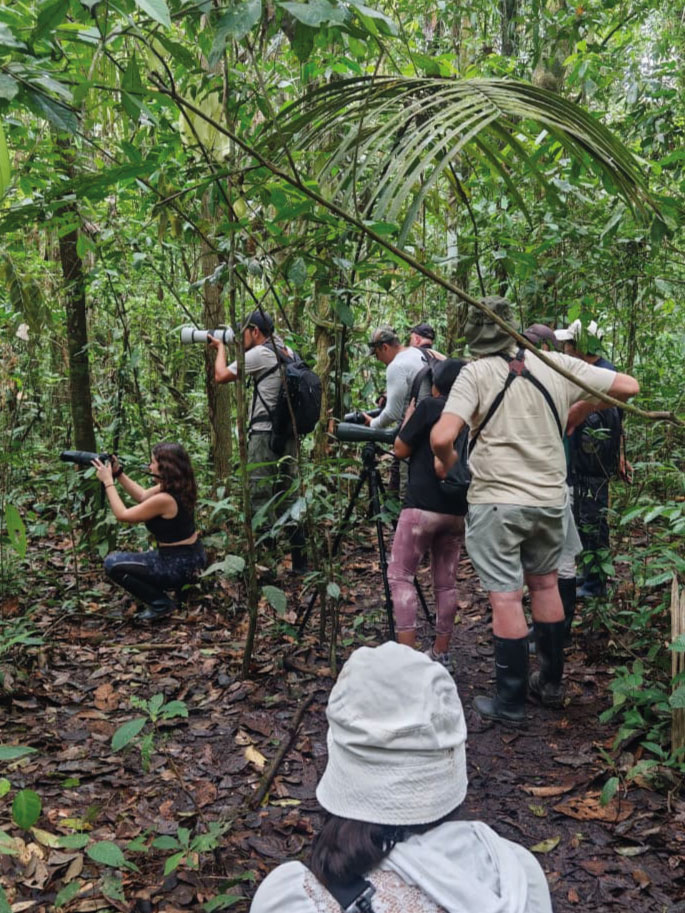
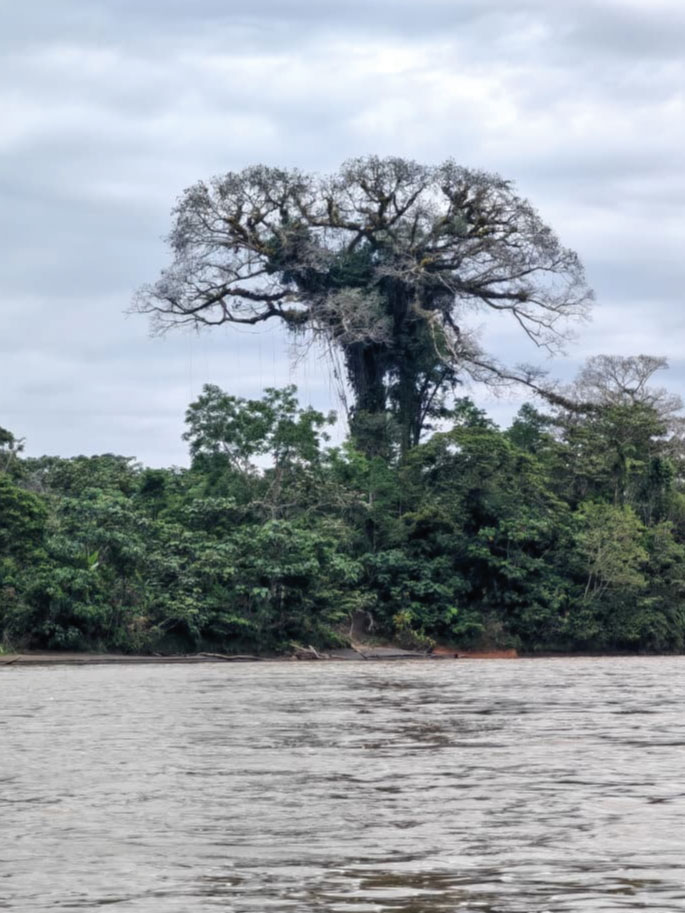
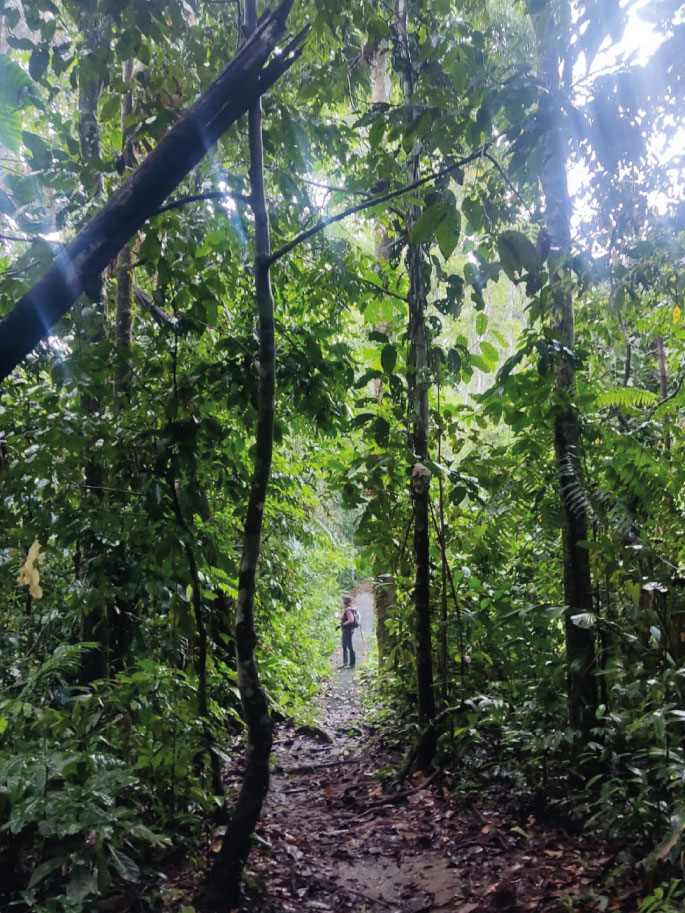
Sani Lodge is located within the buffer zone of Yasuní National Park, covering an area of approximately 31,000 hectares. 10,000 of these are dedicated exclusively to community-based, sustainable, and responsible tourism, serving as an anti-extractivist model. The families are engaged in tourism and primarily grow coffee and cacao through a land-management plan that prioritizes ecosystem conservation.
Quality over Quantity
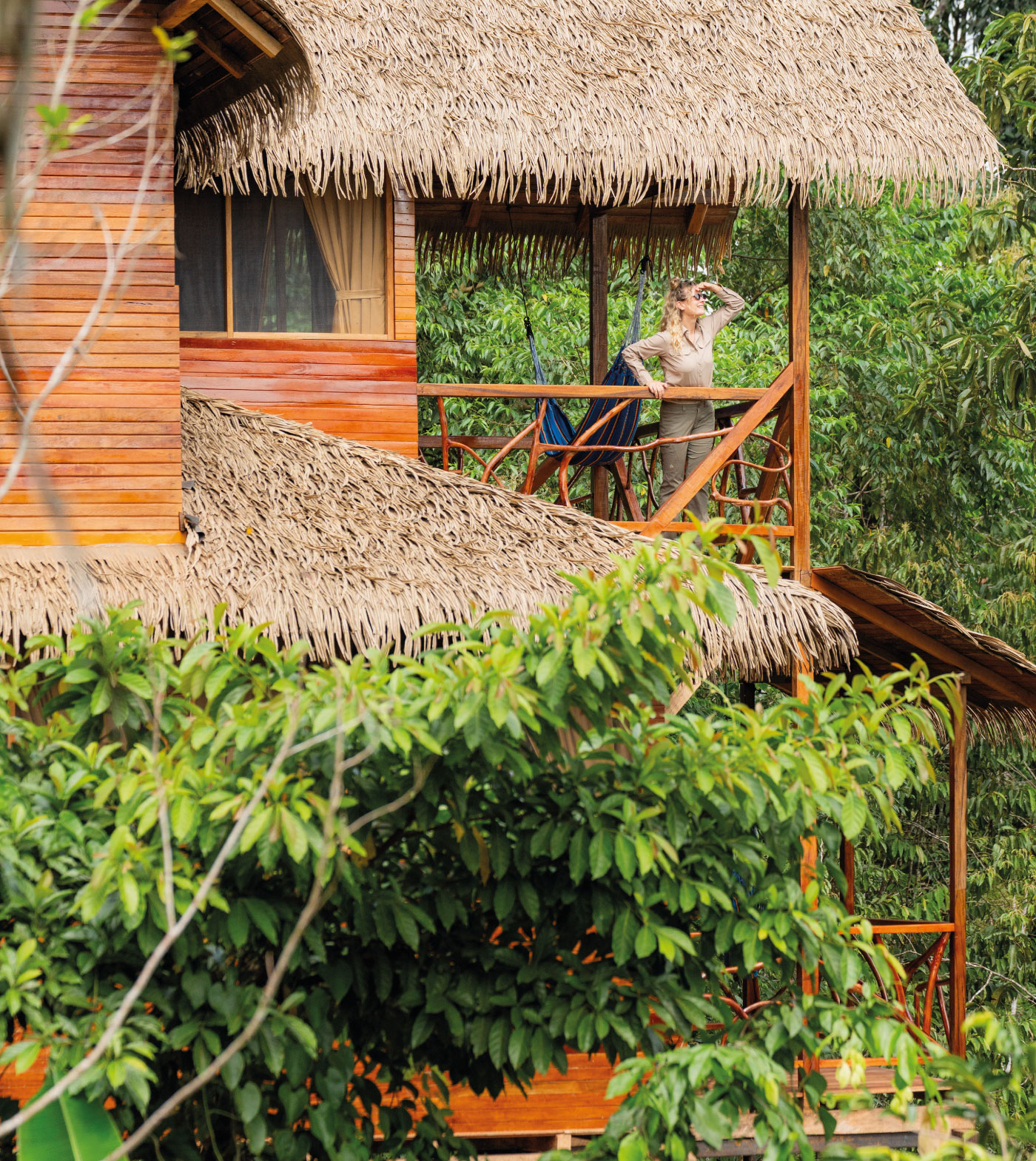
With a maximum capacity of 14 cabins and a capacity of 40 guests, we are able to offer a personalized service to our guests. The majority of our guests choose to visit us because they are aware that their trip will contribute to the conservation of the environment and support the local Kichwa community.
Our Proposal
We are confident that our proposal is an effective tool for protecting wildlife, forests, habitats and ecosystems in the Amazon jungle, also known as the Tropical Amazon Rainforest. We believe that it is also a key contributor to the planet’s climate balance.