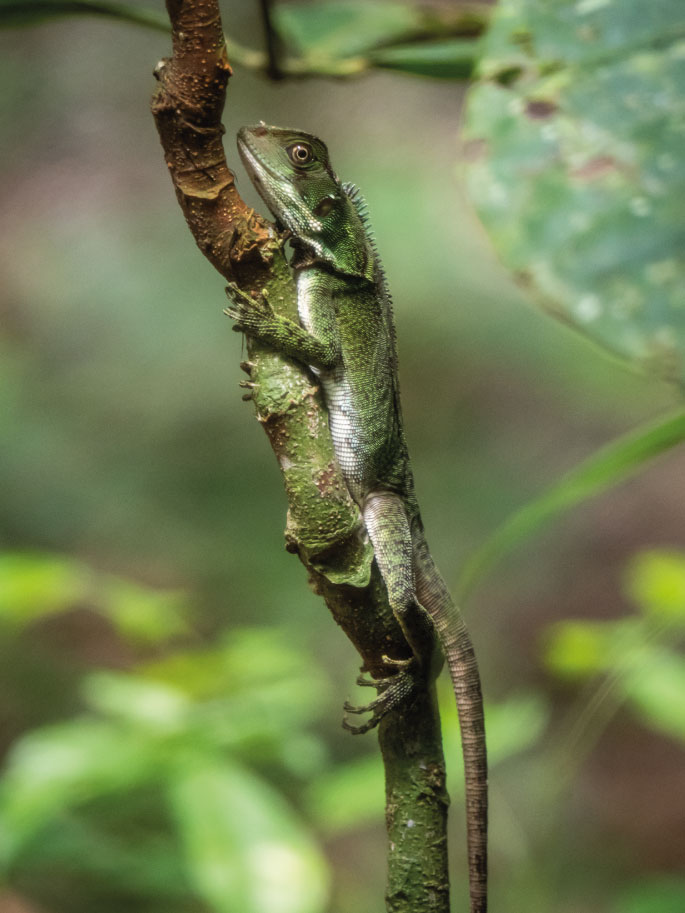
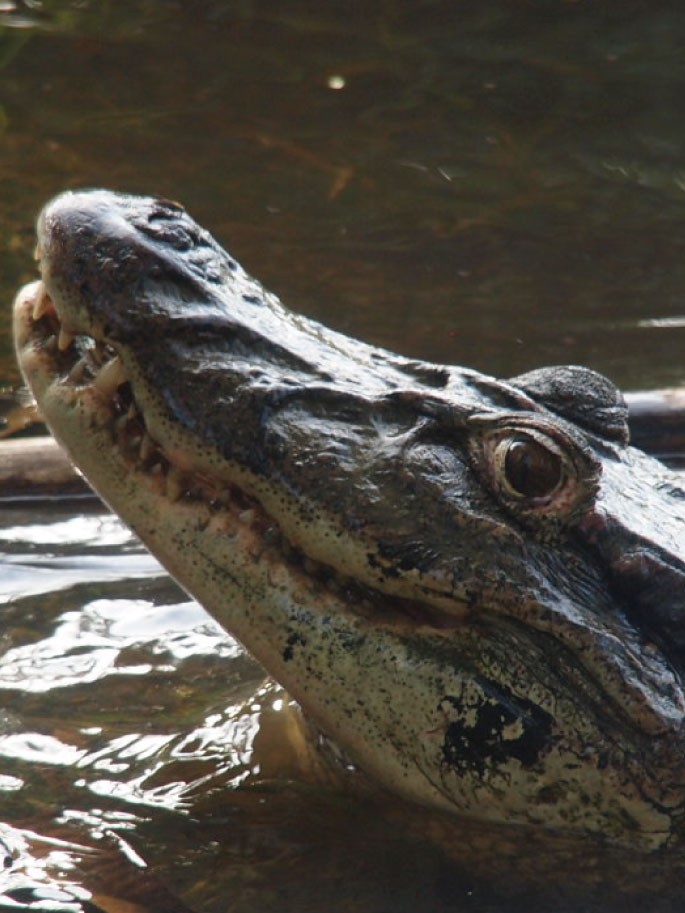
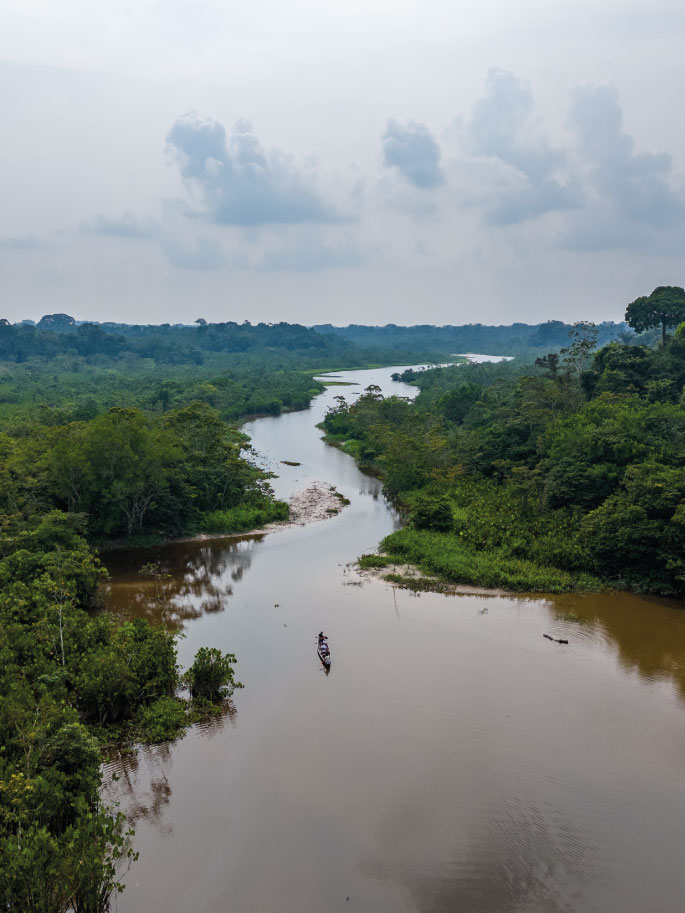
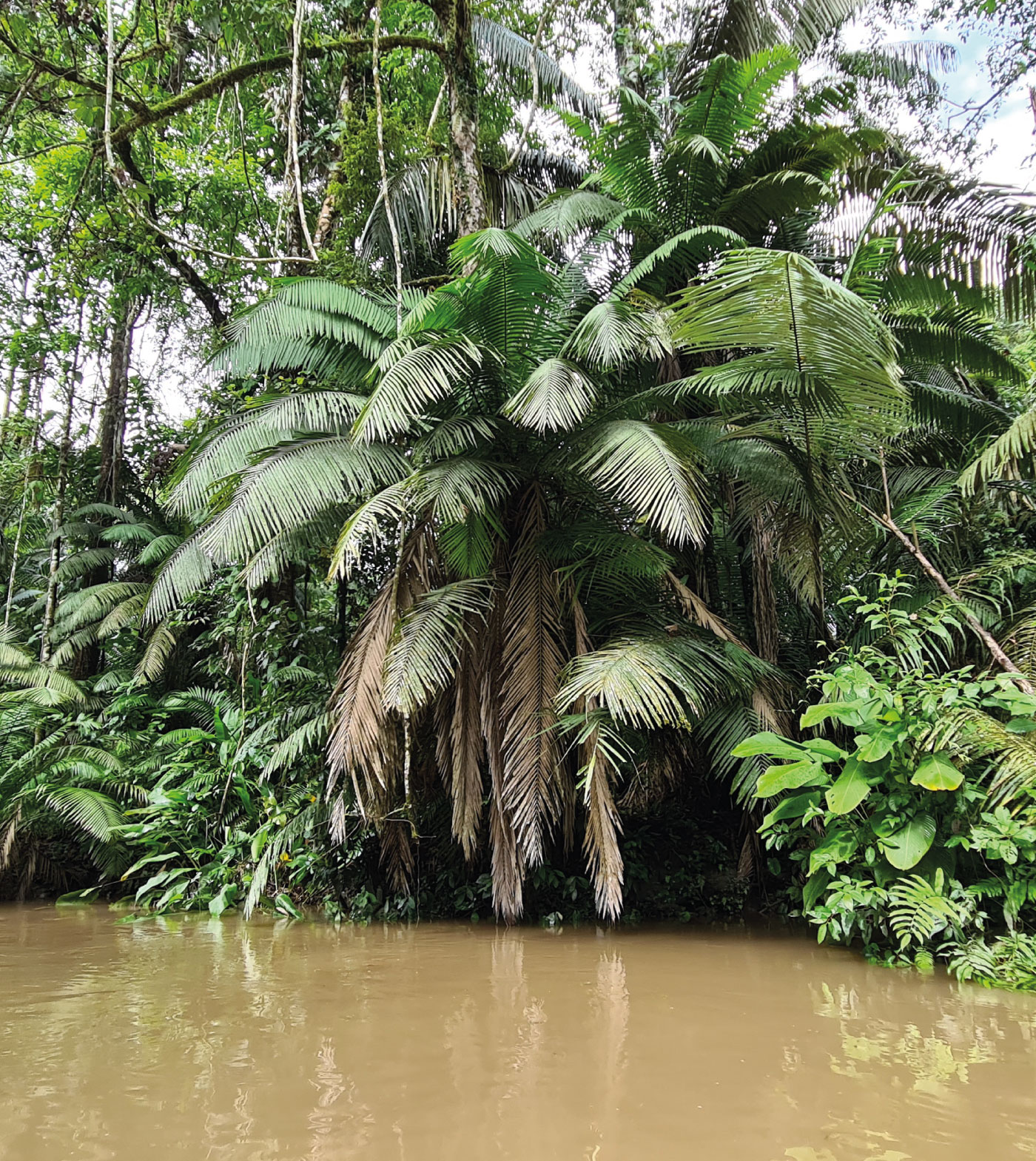
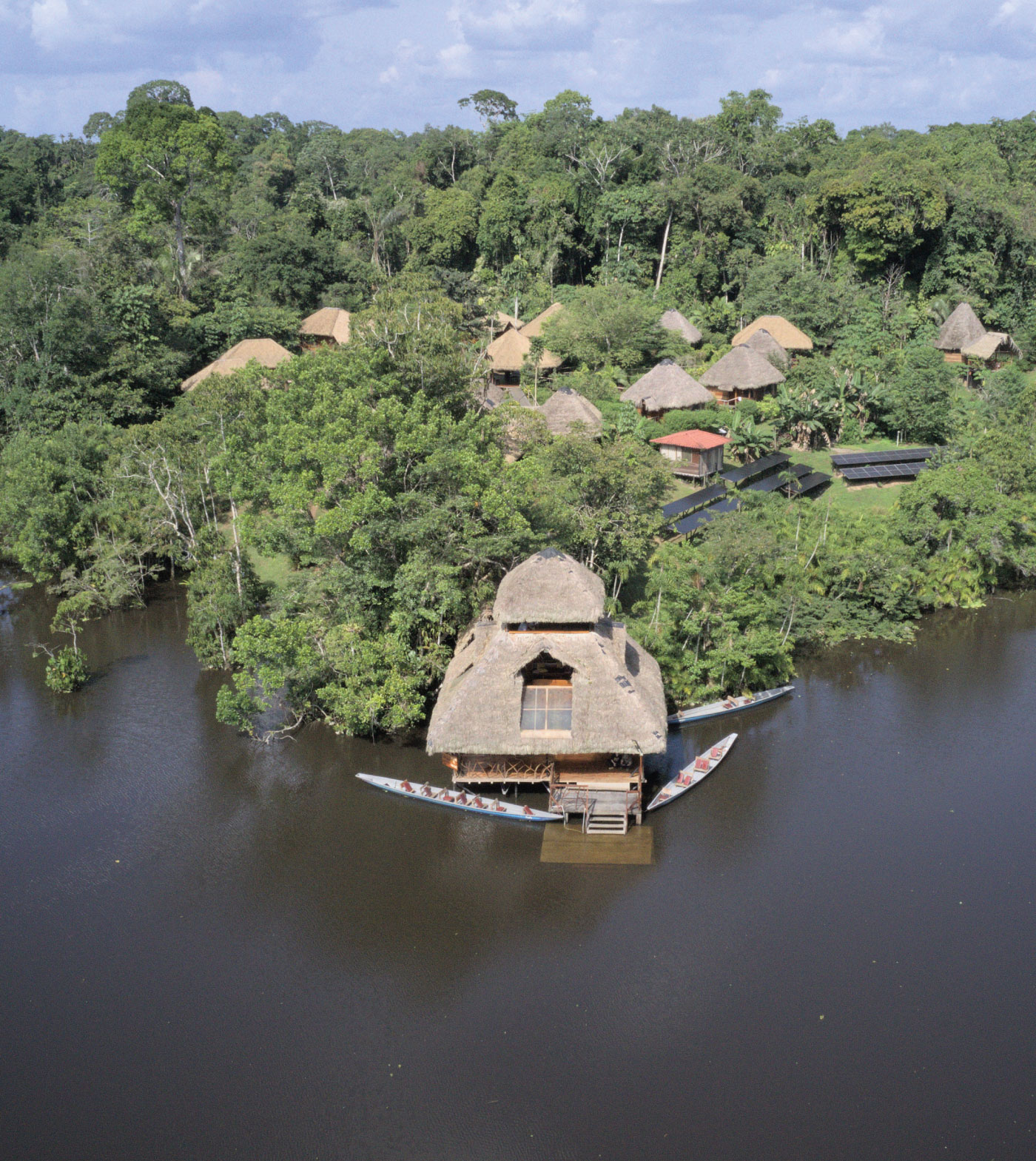
The most biodiverse rainforest on Earth was home to giant dinosaurs such as Abelisaurids, Titanosaurs, and Amazonsaurus, as well as giant crocodiles more than 100 million years ago. Fossil evidence of these creatures has been found in Colombia, Brazil, Peru, and Ecuador. The habitat, which is now home to pumas, jaguars, anacondas, monkeys and otters, was once the habitat of these giant reptiles.
Ecuadorian dinosaur
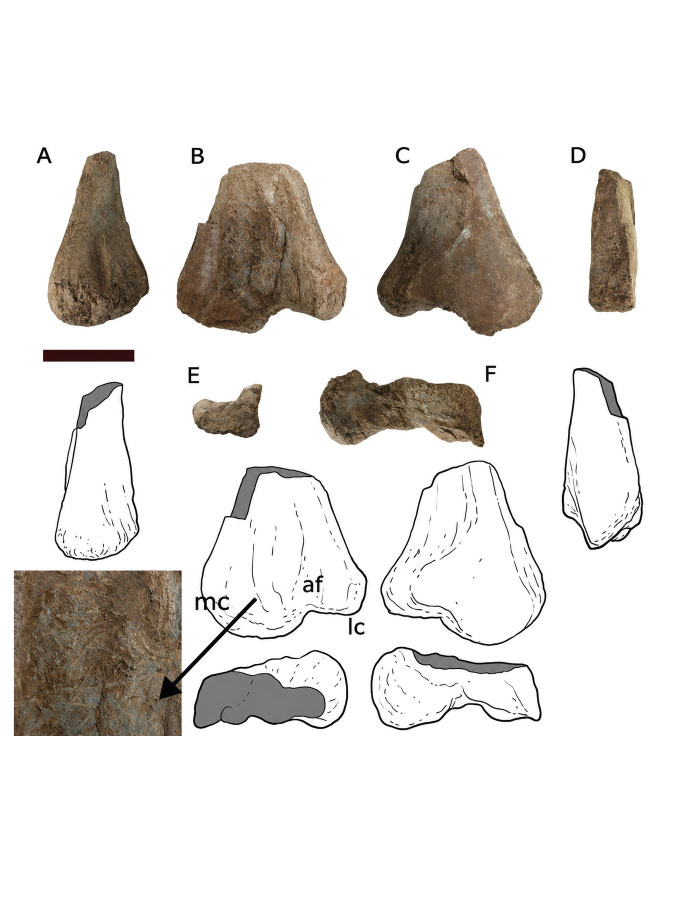
Scientists from Ikiam University have confirmed the first fossil record of a dinosaur in the Ecuadorian Amazon, in the province of Napo. A significant dinosaur, classified as a titanosaur sauropod due to its elongated neck and tail, once inhabited the region approximately 67 million years ago. This recent discovery significantly impacts the country’s paleontological understanding.
Wakrayampi
In the community of Venecia, Misahualli, a landslide revealed the metacarpals of a reptile and a humerus. The landslide was named Wakrayampi by the local Kichwa community, a name that translates to “yampi” (iguana) and “wakra” (cow) due to its reptilian appearance and large size.
The Extinction of the Dinosaurs
66 million years ago, the Yucatán region was struck by a meteorite approximately 15 kilometers in diameter. This event led to the extinction of approximately 75% of life on Earth, including the dinosaurs. The subsequent growth of the Amazon rainforest has unfortunately prevented many of the fossil remains from being preserved due to the high humidity and temperature levels in the area.
The Early Amazon
The Amazon rainforest, as we recognize it today, was once a desert savanna, with low-growing vegetation and rivers flowing westward. The formation of the Andes began approximately 100 million years ago with the subduction of the Nazca Plate beneath the South American Plate. This initiated the eastward flow of rivers, and the presence of high mountain peaks created a barrier that blocked the passage of moisture. The condensation resulting from this process led to the formation of the Amazon River, which connected Andean meltwater to the Atlantic Ocean.
Flying Rivers and Connectivity
The dense Amazon rainforest evaporates 20,000 million cubic meters of water daily, which travels in the form of moisture and is known as “flying rivers”. When these meet the Andes, they generate torrential rains and give rise to mountainous ecosystems. The connection from the perpetual snows to the Amazonian plains creates a biodiversity corridor that facilitates migration and has also given rise to a unique biodiversity.
LAND OF GIANTS
The Amazonian forest is home to the key to an era of giant reptiles. This land, once inhabited by dinosaurs, is home to 10% of all the world’s species. Exploring the Amazon is an experience that can be likened to traversing a vast cemetery of giants.