On Earth, where sexual and asexual reproduction takes place, there are certain adaptations ranging from reproduction to ensure the continuity of the species, to more complex processes in which instinct plays an important role, allowing species to survive in this part of the universe.
ASEXUAL REPRODUCTION
The simplest forms of reproduction include bacteria, yeast, and single-celled organisms that do not require a mate and produce identical offspring through cell division. Some reptile species, such as the Komodo dragon, are capable of reproducing asexually through parthenogenesis, a process in which the unfertilized egg develops a clone that possesses genetic characteristics identical to the parent. This form of facultative reproduction has been observed in environments where males are absent or where environmental stress is present, resulting in strictly female populations.
MATING & NESTING
The mating season for black caimans in the Amazon region of countries such as Colombia, Peru, Brazil, and Ecuador occurs during the rainy season from May to August. The ideal nesting season is from September to November, when the water levels in lagoons and estuaries create large areas of dry land and significant sandbars in the main rivers. These features are utilised by other species, such as river turtles, for egg-laying. The nesting period is typically 90 days.
LUCY AND HER ROMANCES
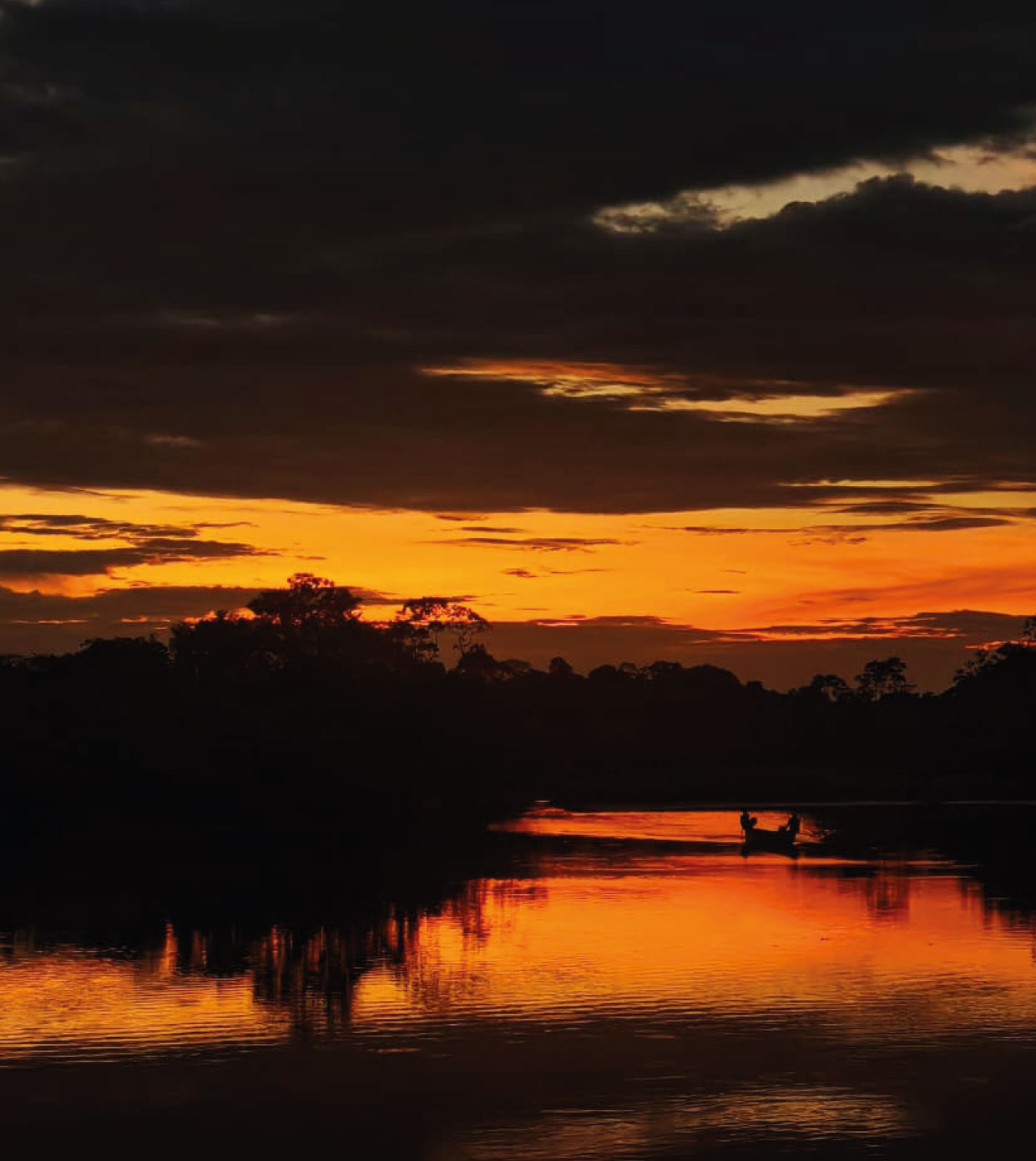
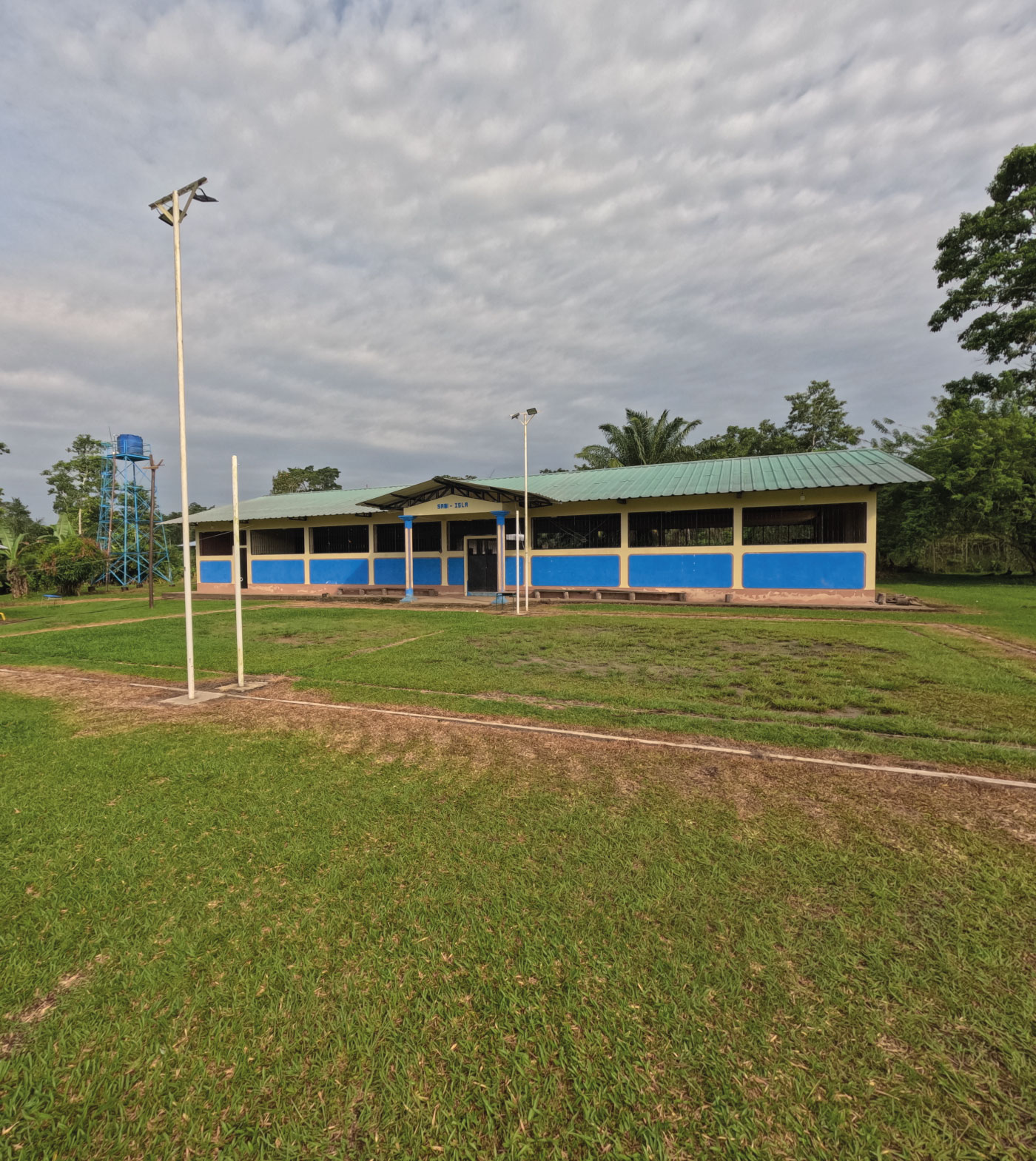
Lucy informed us that, as is typical among alligators, she has had several partners in her life. On this occasion, she mated with a particularly strong dominant male, which she asserts will ensure that their offspring are very healthy. She mentioned that during their courtship, he produced loud, high-pitched roars that were audible to guests during their night-time canoe trip. It is understood that the mating occurred in July, resulting in 35 eggs being laid. The nest was constructed in front of the lagoon, opposite the lodge’s welcome area.
CARE OF OFFSPRING
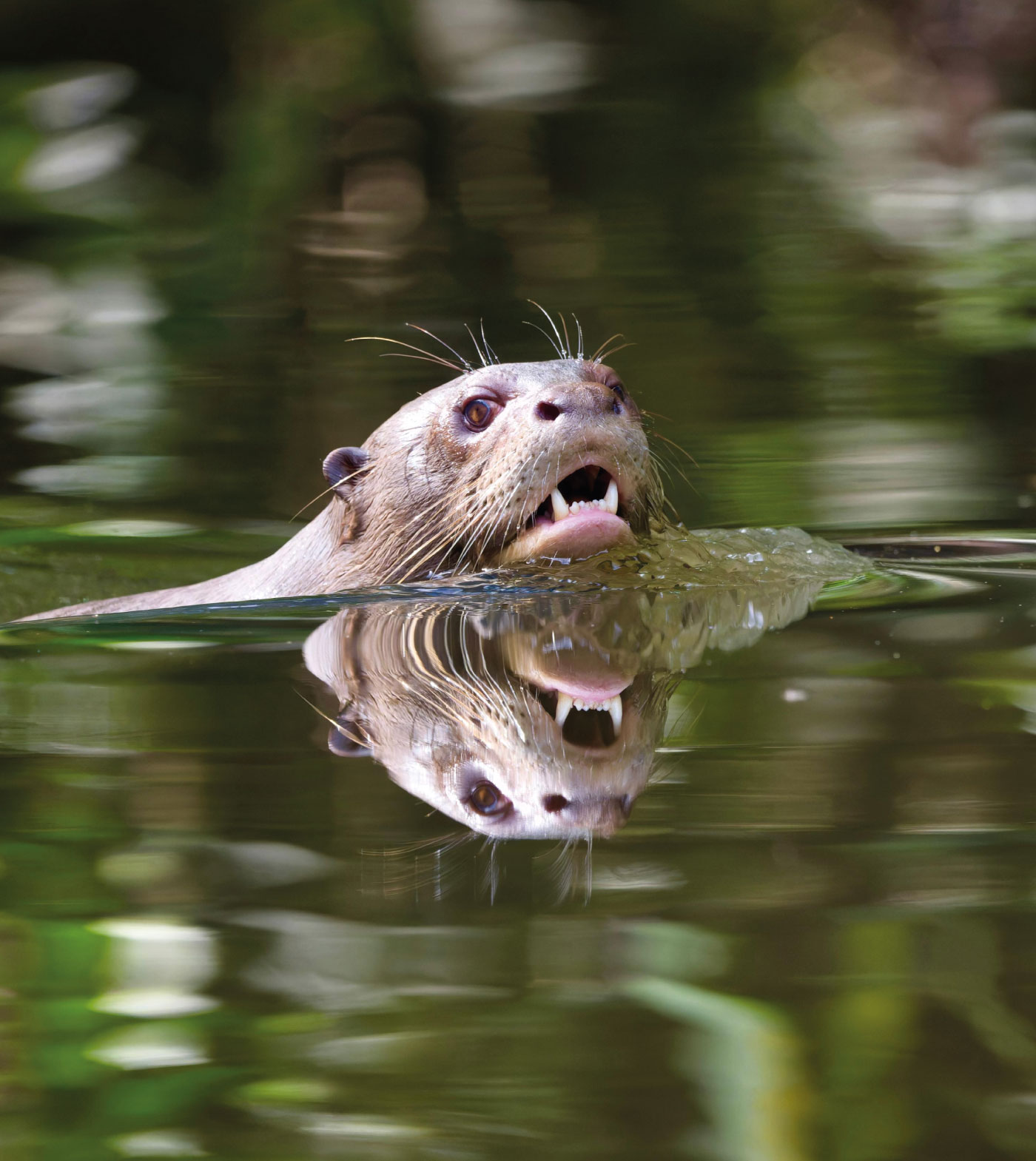
He goes on to mention that rearing the offspring was challenging because during the incubation period, some rodents, opossums, coatis, and tegu lizards appeared and attempted to feed on them. Unfortunately, they consumed five of them, which was disappointing, but she was able to defend the rest. Subsequent to hatching, a greater challenge arises due to the larger size of predators, which attack in groups, for example giant otters. Furthermore, it is imperative to exercise caution in the presence of Cocoi herons, Anacondas and other alligators that inhabit the lagoon.
THE ROLE MOTHERHOOD
While swimming around the lagoon, Lucy has observed how humans care for their babies. She believes that the one thing caimans and humans have in common is their highly developed maternal instinct, and she admires the dedication and love with which mothers care for their children.
MOVIE STAR
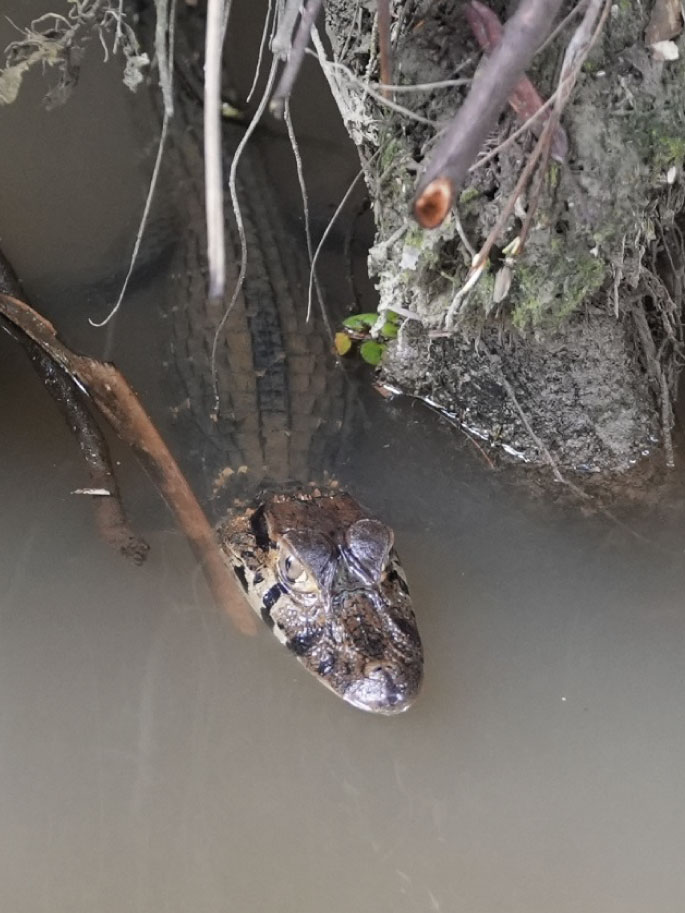
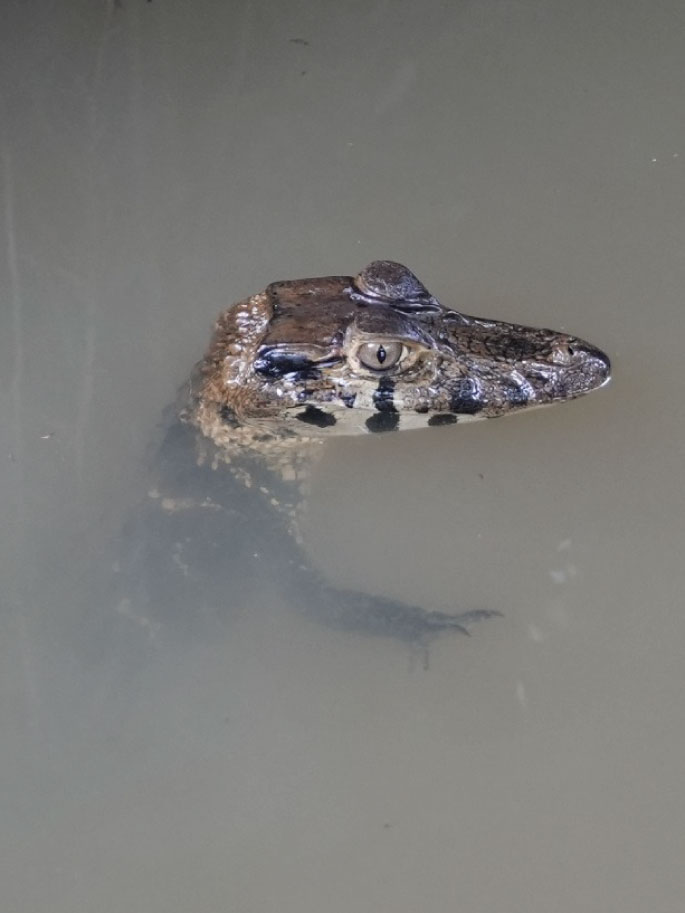
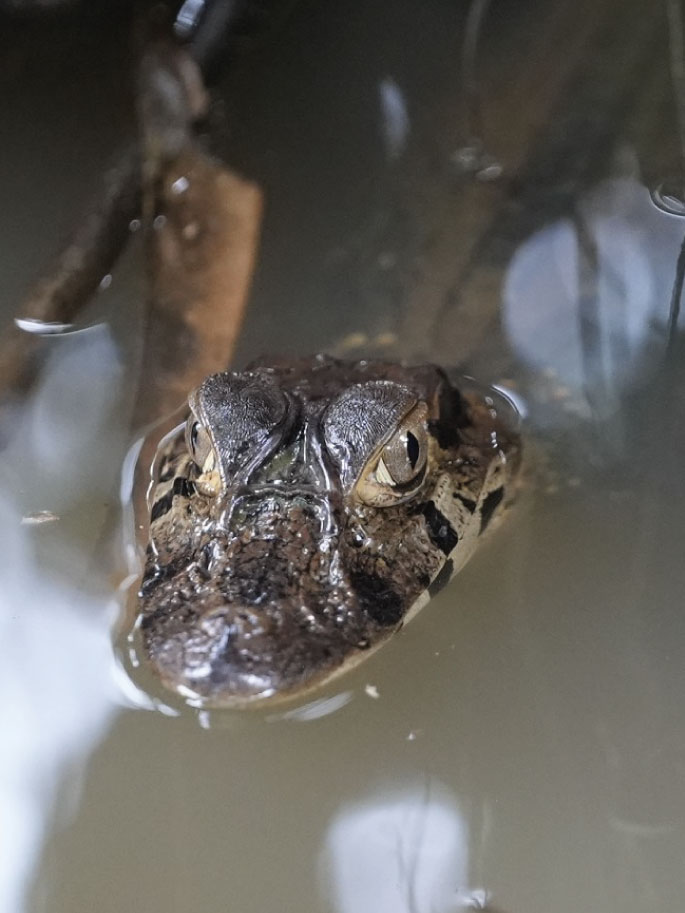
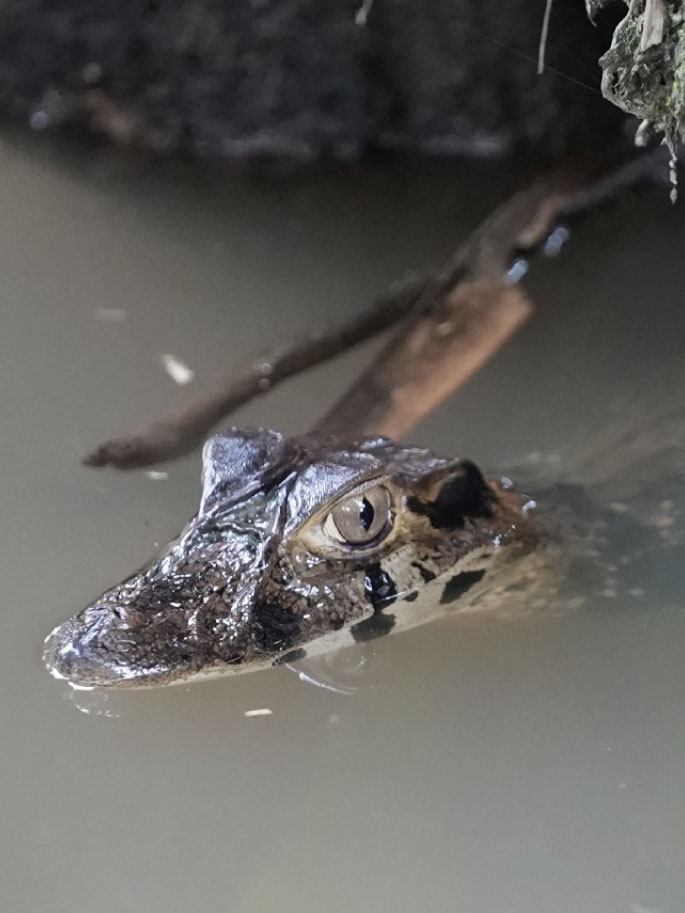
Lucy has expressed that she feels like a movie star, as most guests have taken her picture, and on this occasion it is particularly flattering as one of her babies is also in the photograph. This is the first occasion on which they have been photographed together, as she notes. She also mentions that this fact is highly appreciated as she embarks on her journey to the mainland, so that her young can feed on insects, frogs, molluscs and crustaceans.